A cheerful delight in the garden
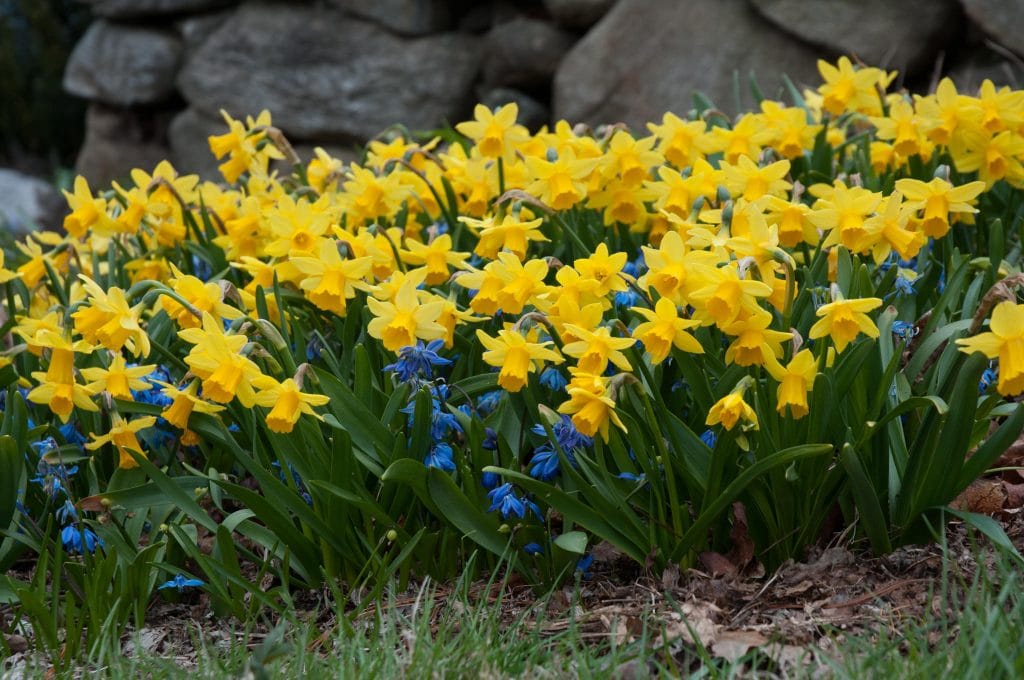
Narcissus ‘Tête-à-Tête’ is a petite but powerful harbinger of spring, gracing gardens with its charming blooms and vibrant presence. This delightful miniature daffodil, with its golden-yellow petals and cheerful demeanour, has captured the hearts of gardeners worldwide. In this article, we explore the origins, characteristics, cultivation tips, and the enduring appeal of Narcissus ‘Tête-à-Tête’.
Origins and Characteristics
Narcissus ‘Tête-à-Tête’ is a cultivar of Narcissus cyclamineus, a species native to Spain and Portugal. It was first introduced in 1949 by Alec Gray, a renowned British horticulturist. The name ‘Tête-à-Tête’, French for “head to head”, aptly describes the habit of this daffodil, where its blooms nod or face each other on the stem.
This miniature daffodil typically grows to a height of 6 to 8 inches (15 to 20 cm), making it ideal for rock gardens, borders, containers, or naturalizing in grassy areas. Each stem produces one to three nodding flowers perched atop slender, wiry stems. The golden-yellow petals surround a prominent trumpet-shaped corona, which may vary in color from bright yellow to orange.
Cultivation Tips
Narcissus ‘Tête-à-Tête’ is remarkably easy to grow, making it a favorite among novice and experienced gardeners alike. Here are some tips for cultivating these charming daffodils:
- Location: Plant ‘Tête-à-Tête’ bulbs in a location with well-draining soil and partial to full sun exposure. They thrive in USDA hardiness zones 3-9.
- Planting: Plant bulbs in the fall, approximately 3-4 inches (7-10 cm) deep and 3 inches (7 cm) apart. Ensure the pointed end faces upwards.
- Soil: Ensure the soil is rich in organic matter and not overly wet, as daffodils dislike waterlogged conditions.
- Watering: While ‘Tête-à-Tête’ daffodils are drought-tolerant once established, they benefit from regular watering during their growing season, especially in the spring.
- Fertilization: Apply a balanced fertilizer in early spring as new growth emerges to support healthy flowering.
- Maintenance: After flowering, allow the foliage to wither and turn yellow before removing it. This allows the bulbs to store energy for the following year’s growth.
- Dividing: Every few years, lift and divide clumps of ‘Tête-à-Tête’ bulbs to rejuvenate overcrowded plantings and encourage vigorous growth.
Enduring Appeal
Narcissus ‘Tête-à-Tête’ holds a special place in the hearts of gardeners for several reasons:
- Early Bloomer: ‘Tête-à-Tête’ daffodils are among the earliest bloomers in the spring garden, often appearing as early as February in warmer climates, heralding the arrival of spring.
- Versatility: Their compact size and cheerful blooms make them versatile additions to a variety of garden settings, including borders, rock gardens, containers, and even indoor forcing.
- Longevity: With proper care, ‘Tête-à-Tête’ daffodils reliably return year after year, gradually multiplying and brightening the garden with their sunny disposition.
- Pest and Deer Resistance: Daffodils, including ‘Tête-à-Tête’, are generally resistant to pests, diseases, and deer browsing, making them low-maintenance and trouble-free plants for the garden.
In conclusion, Narcissus ‘Tête-à-Tête’ epitomizes the essence of spring with its charming blooms, compact size, and ease of cultivation. Whether planted en masse or nestled among other spring bulbs, these miniature daffodils never fail to bring joy and optimism to the garden landscape. With their enduring appeal and timeless beauty, ‘Tête-à-Tête’ daffodils are sure to remain beloved favourites for generations to come.