HISTORY OF BROCCOLI
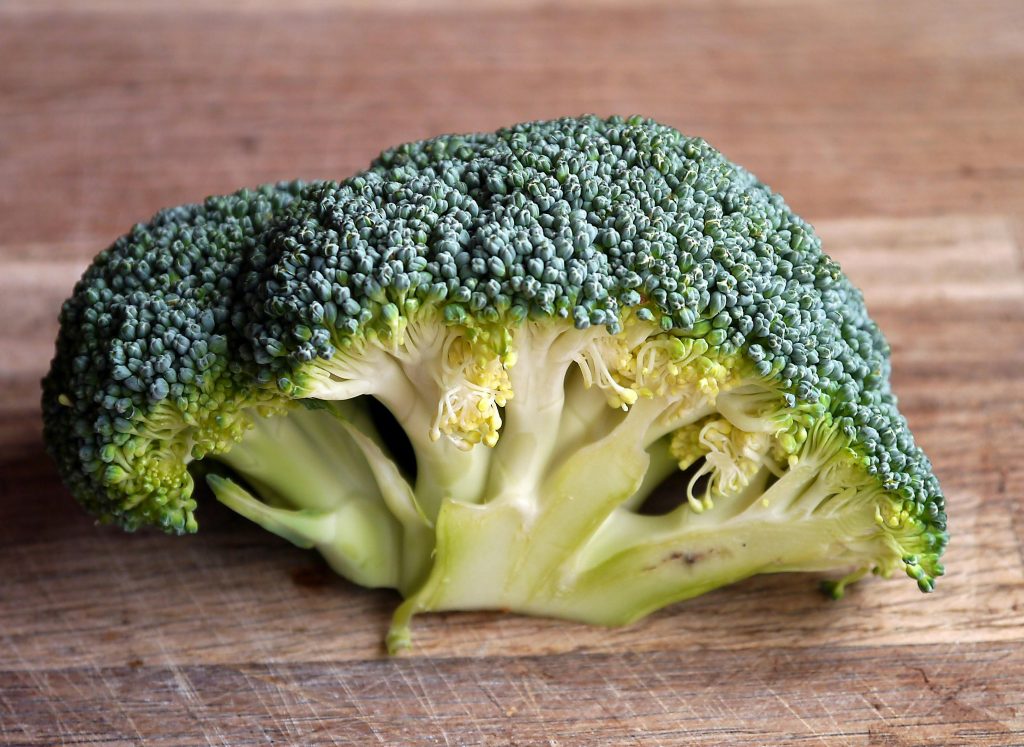
Origins and Early Cultivation:
- Wild Ancestor: Broccoli, like many other vegetables, traces its origins back to the wild cabbage, Brassica oleracea, which is native to the coastal areas of southern and western Europe. This plant, known as wild cabbage, is the common ancestor of a variety of cultivated crops including cabbage, kale, cauliflower, Brussels sprouts, and kohlrabi.
- Ancient Cultivation: The domestication and cultivation of wild cabbage by humans began over 2,000 years ago. The Etruscans, an ancient civilization in what is now modern-day Italy, are believed to have first cultivated a form of broccoli around the 6th century BCE. They developed broccoli through selective breeding practices, favoring plants with larger flower clusters and tender stalks.
Spread and Development:
- Roman Empire: Broccoli was well-known to the Romans, who cultivated and consumed it extensively. The Roman naturalist Pliny the Elder wrote about broccoli in the 1st century CE, describing its health benefits and culinary uses. The Romans likely spread the cultivation of broccoli throughout their empire.
- Medieval and Renaissance Europe: After the fall of the Roman Empire, broccoli cultivation persisted in Italy. It remained relatively unknown in other parts of Europe until the Renaissance. During this period, increased trade and cultural exchange brought broccoli to the attention of other European countries.
Introduction to the Americas:
- Colonial Period: Broccoli was introduced to England and the American colonies by Italian immigrants in the 18th century. Thomas Jefferson, an avid gardener and third President of the United States, is known to have grown broccoli in his garden at Monticello in the early 1800s.
- 20th Century Popularity: Despite its early introduction, broccoli did not become widely popular in the United States until the 20th century. Advances in refrigeration and transportation allowed for the widespread distribution of fresh produce, including broccoli. The health food movement of the mid-20th century also contributed to its rising popularity due to broccoli’s high nutritional value.
Modern Cultivation and Global Spread:
- Global Cultivation: Today, broccoli is grown worldwide, with China, India, and the United States being the largest producers. The development of different broccoli varieties, such as calabrese and sprouting broccoli, has allowed for greater adaptation to various climates and growing conditions.
- Nutritional Recognition: Broccoli is now recognized globally for its nutritional benefits, including high levels of vitamins C and K, fiber, and various antioxidants. Its reputation as a “superfood” has further cemented its place in modern diets.
Conclusion
The history of broccoli is a testament to the ingenuity of ancient agricultural practices and the ongoing evolution of human diets. From its origins in the Mediterranean to its status as a staple in modern kitchens worldwide, broccoli has undergone significant transformation and adaptation, making it one of the most well-regarded vegetables today.