Unlocking the Beauty of Amaryllis: A Gardener’s Guide
As a professional gardener with years of experience, I’ve had the pleasure of cultivating various plants, but few have captivated me quite like the amaryllis. With its stunning blooms and relatively easy care requirements, the amaryllis is a favorite among both novice and seasoned gardeners alike. In this guide, I’ll delve into the art of growing and caring for these remarkable flowering bulbs, ensuring that you unlock their full potential in your own garden.
Understanding the Amaryllis:
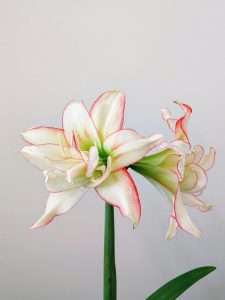
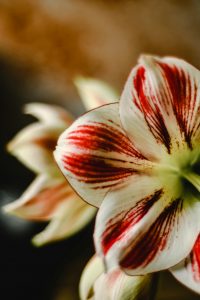
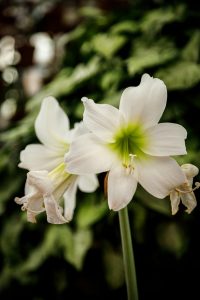
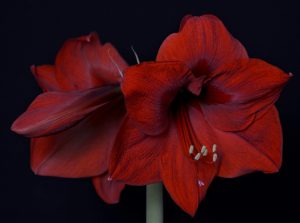
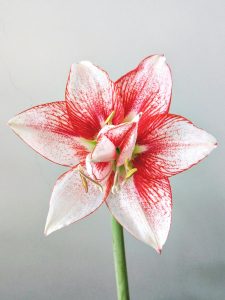
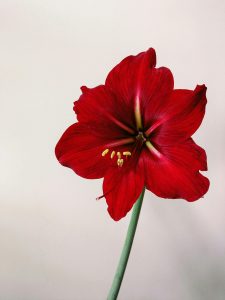
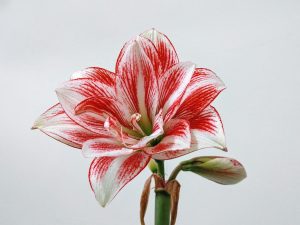
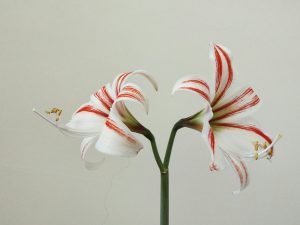
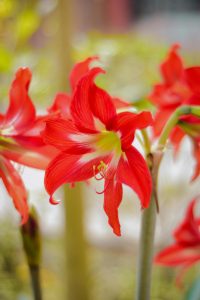
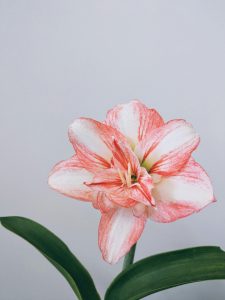
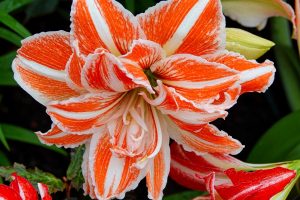
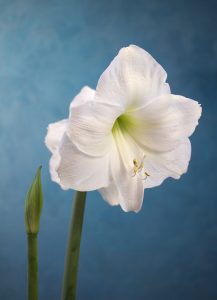
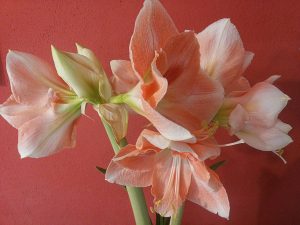
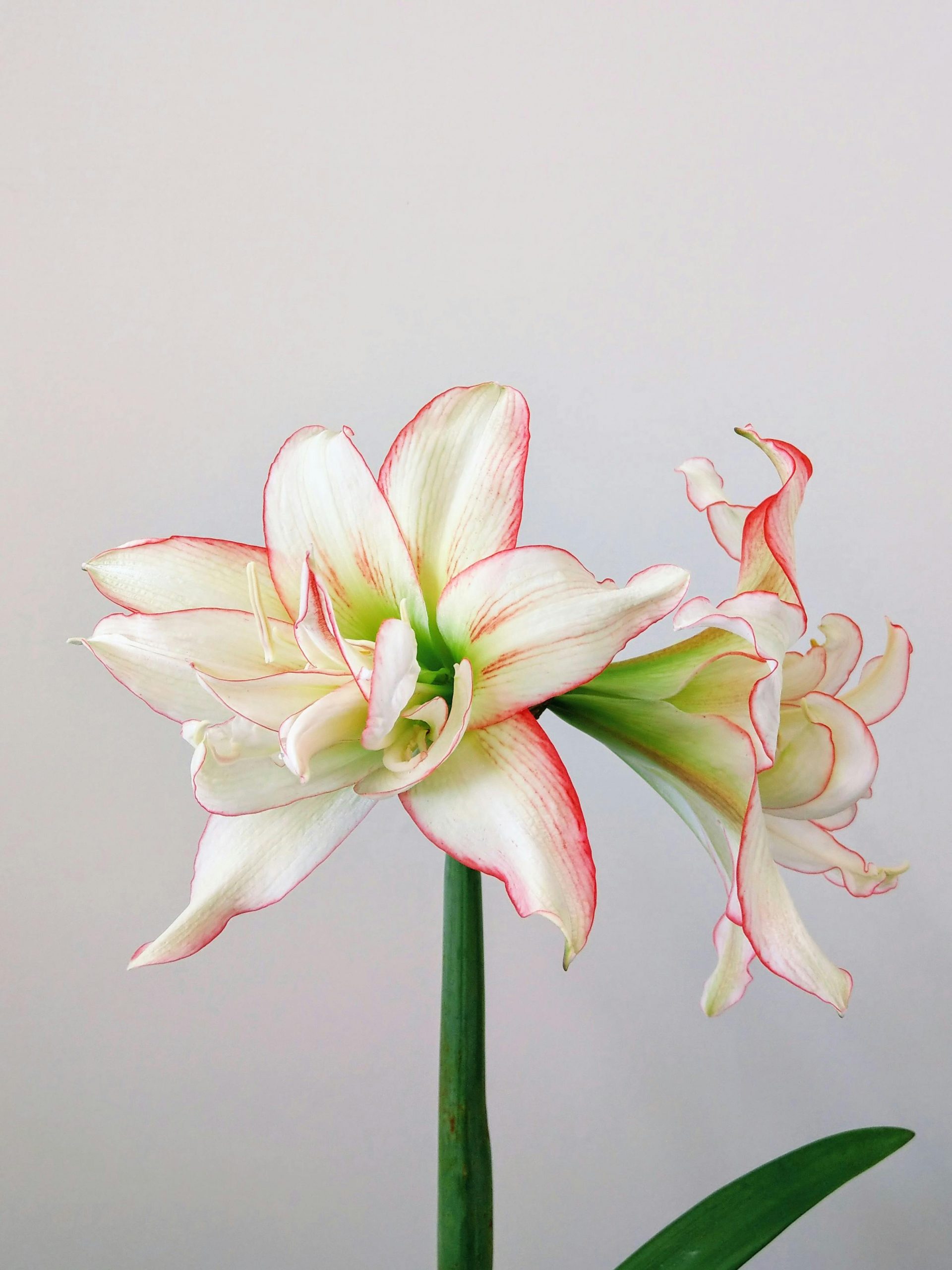
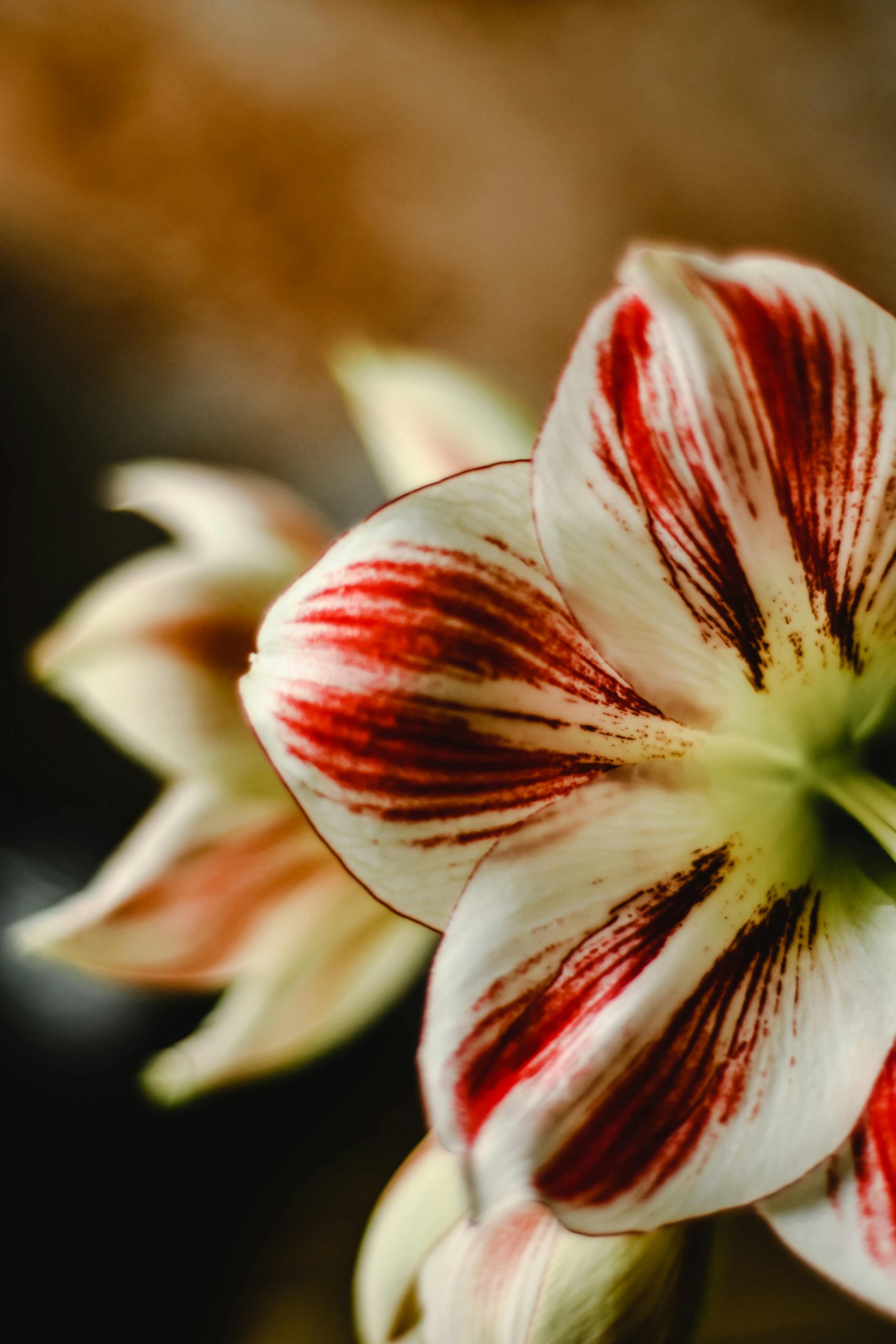
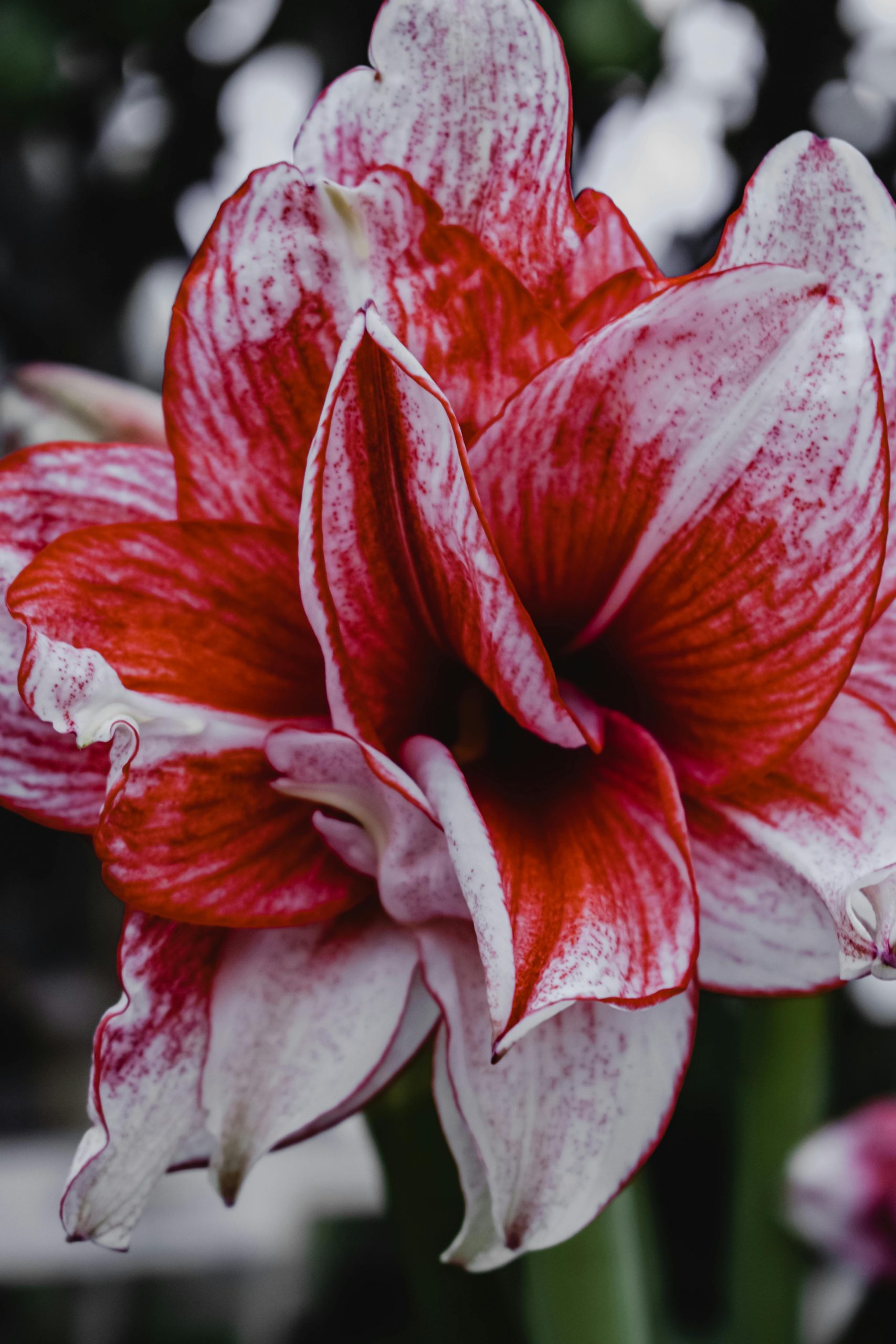
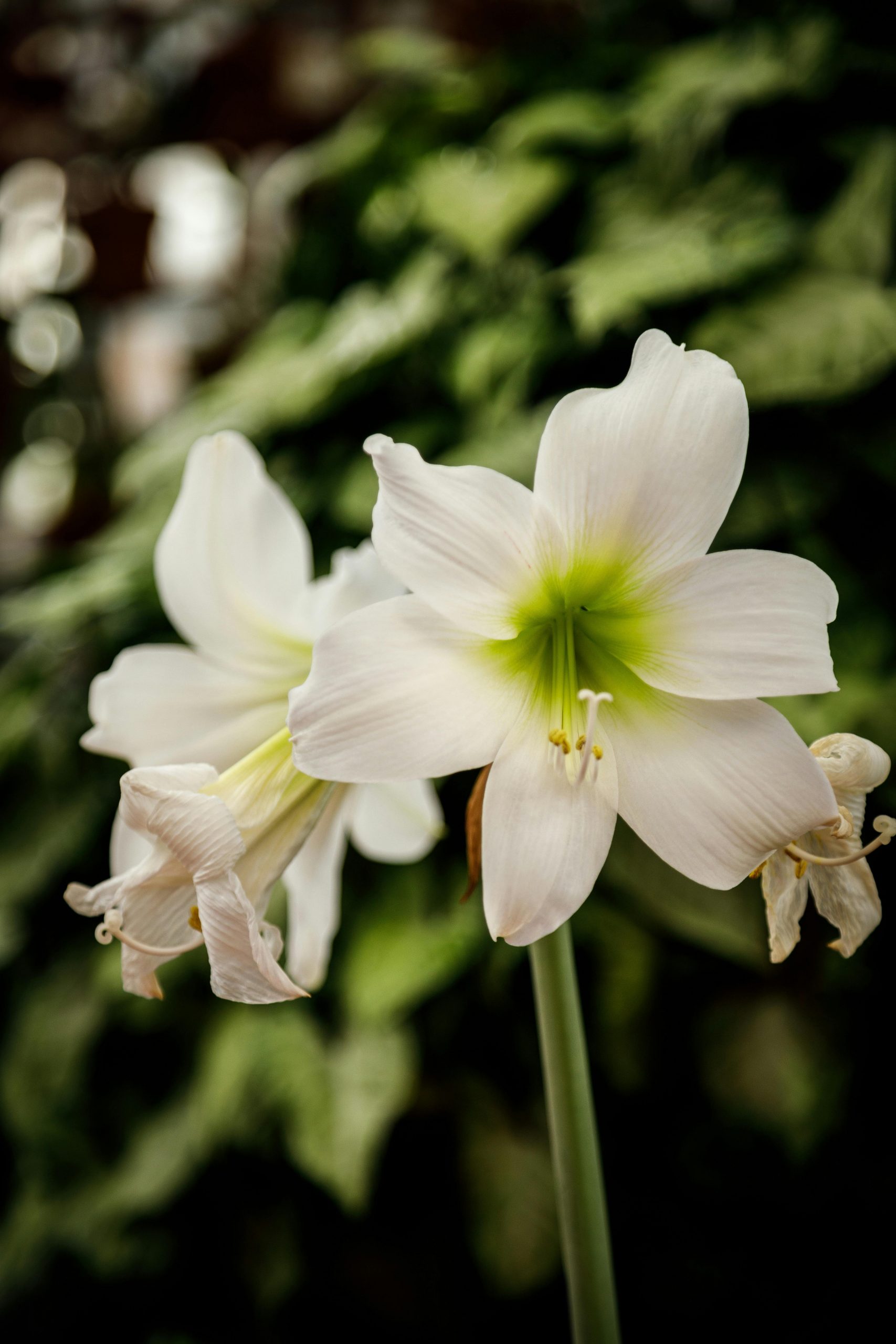
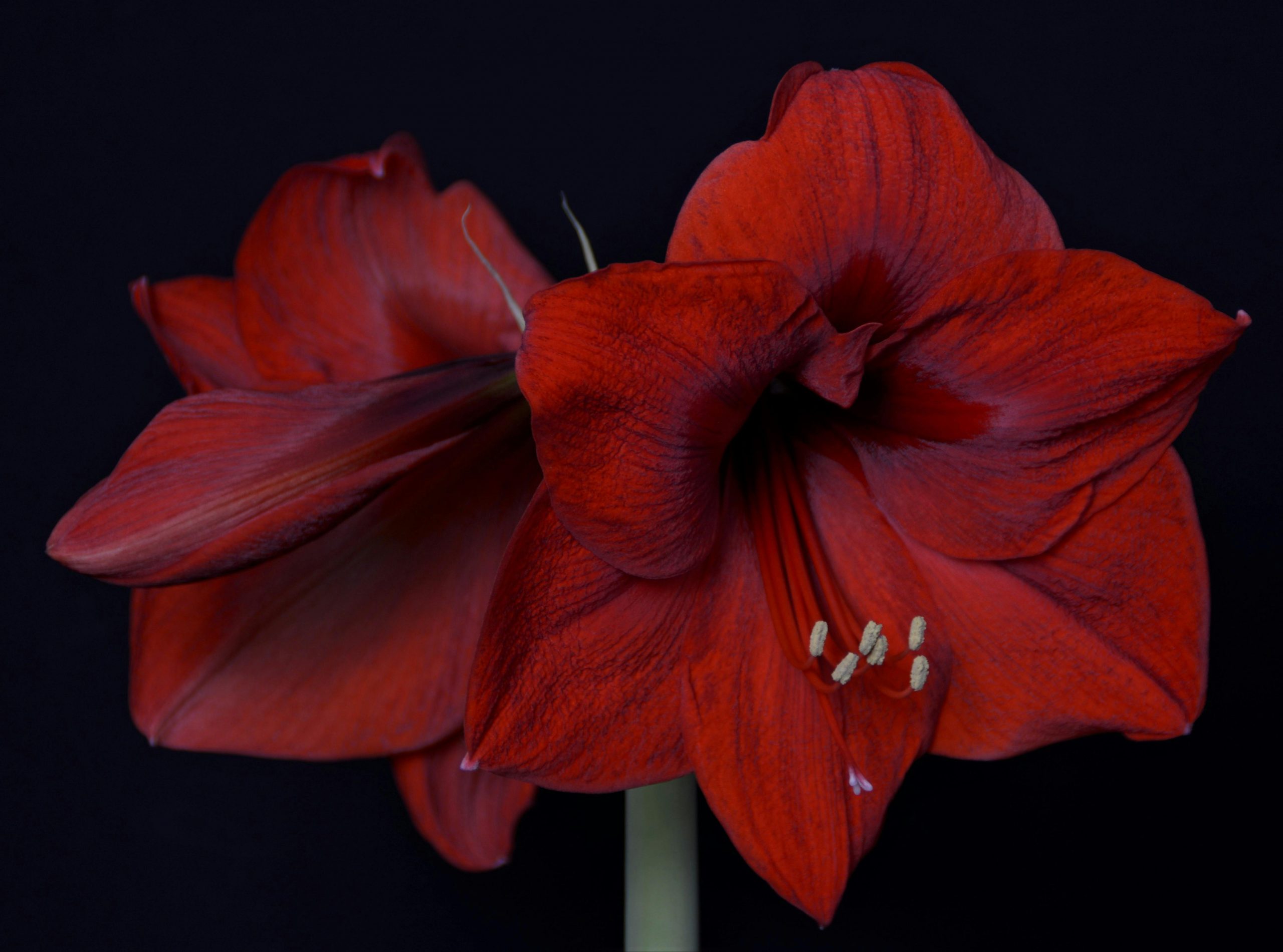
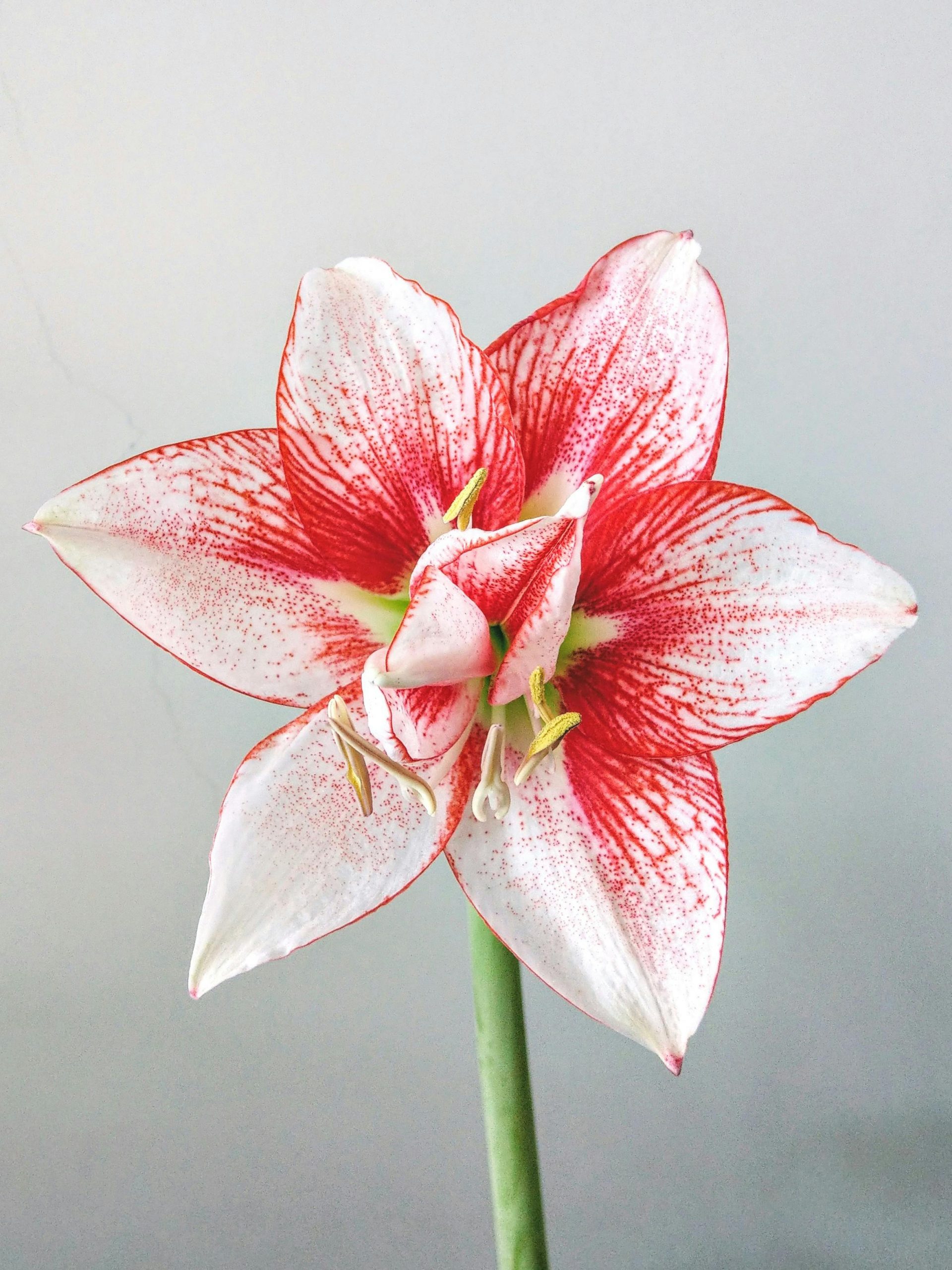
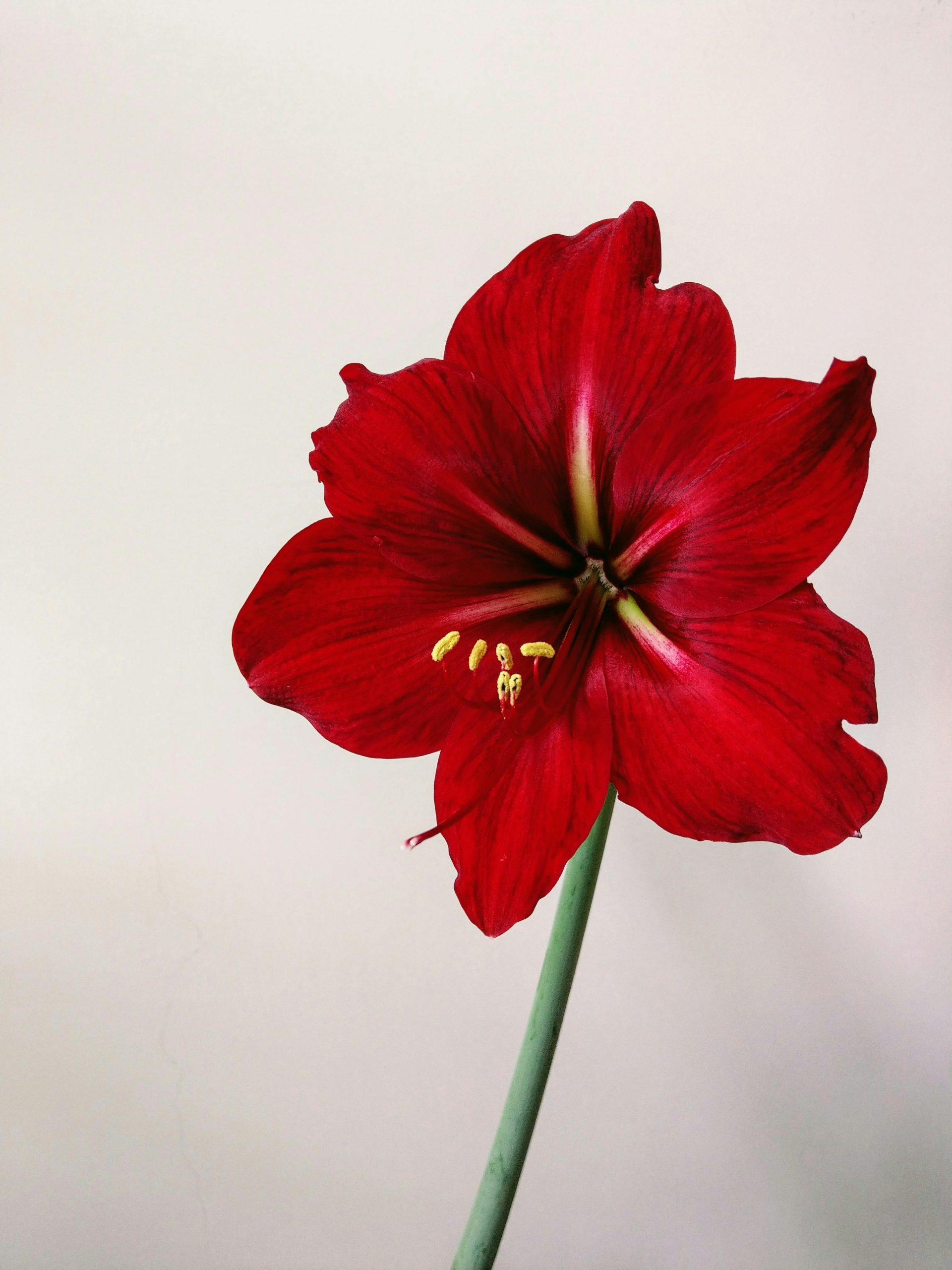
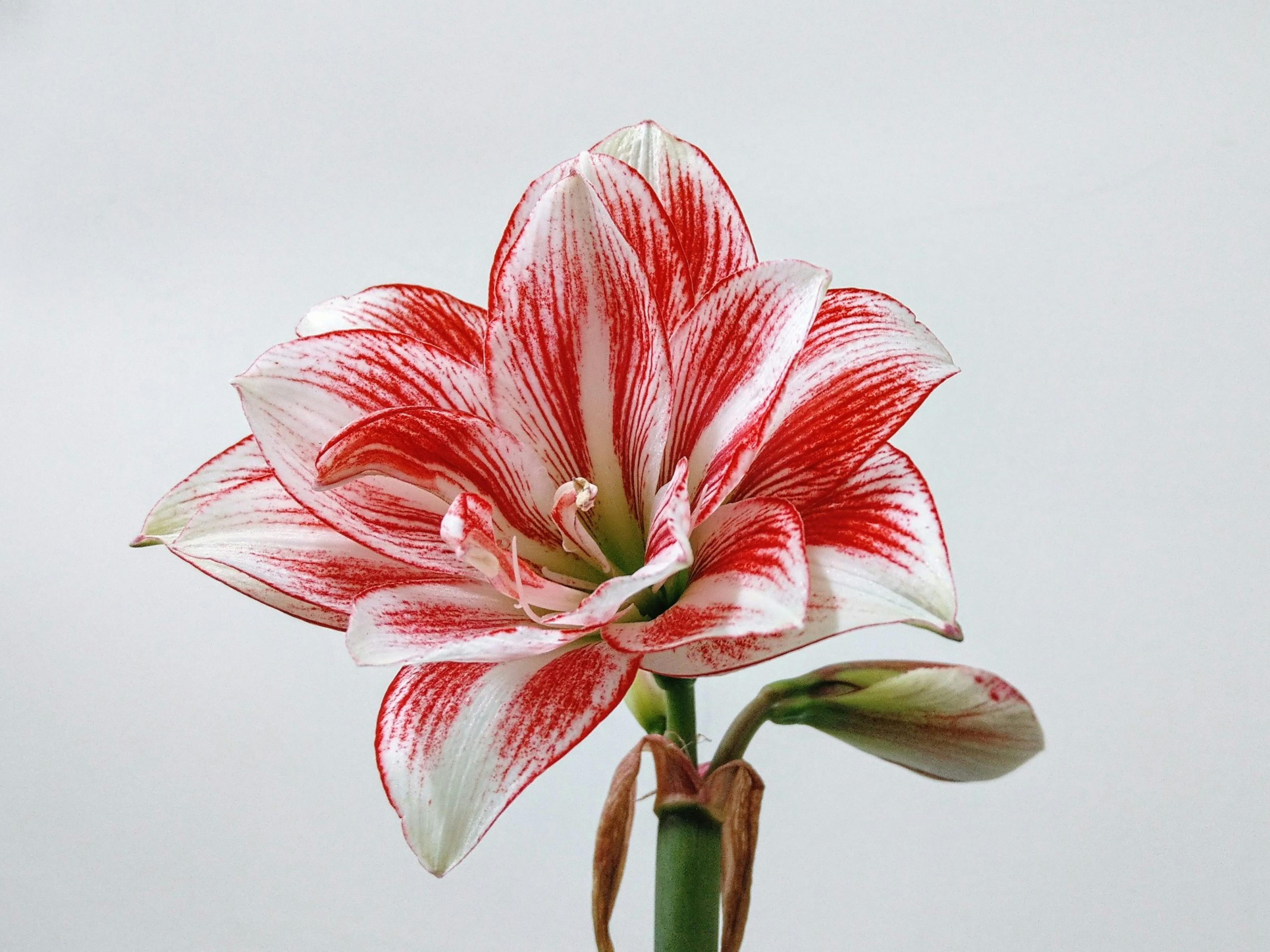
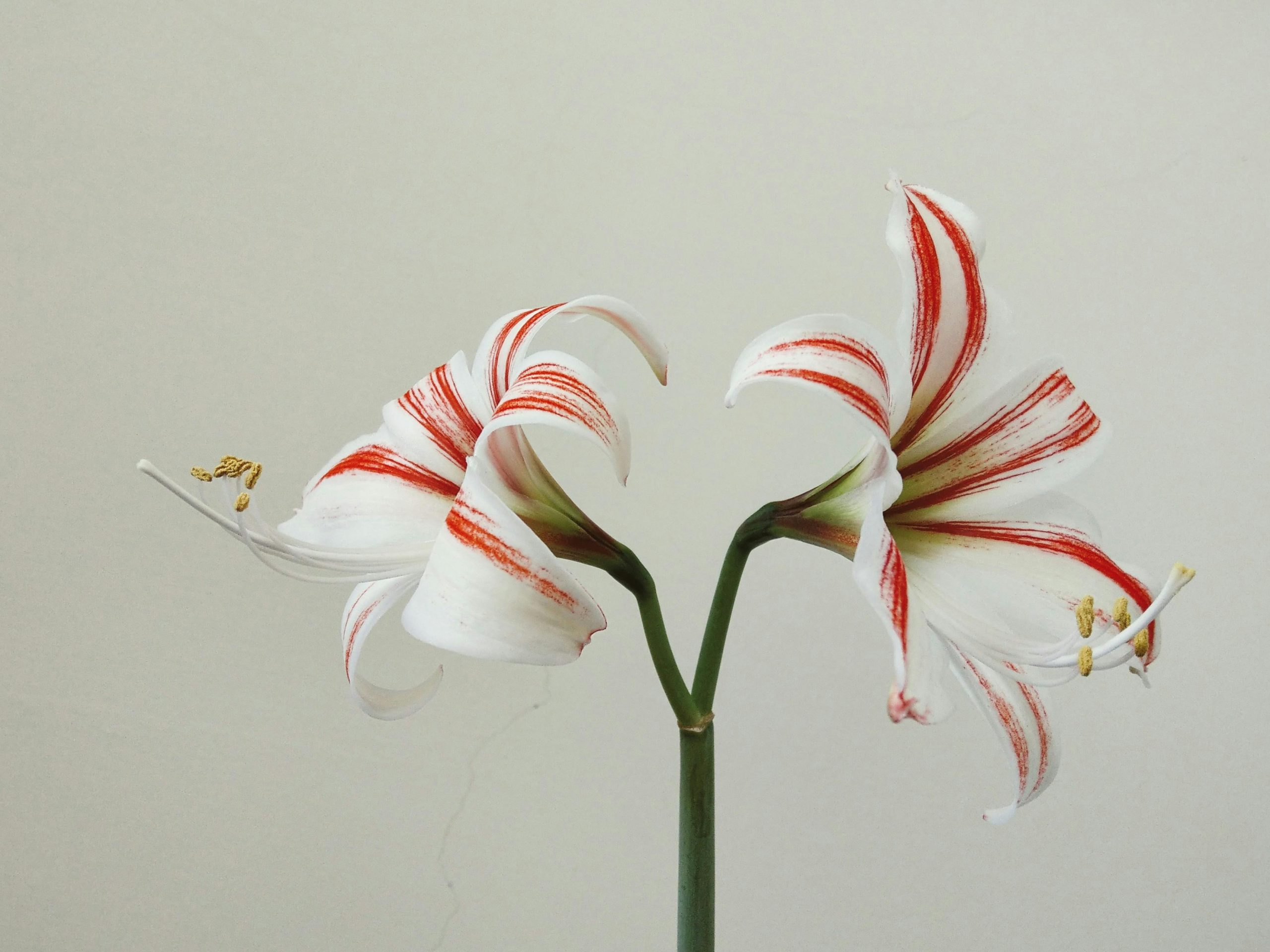
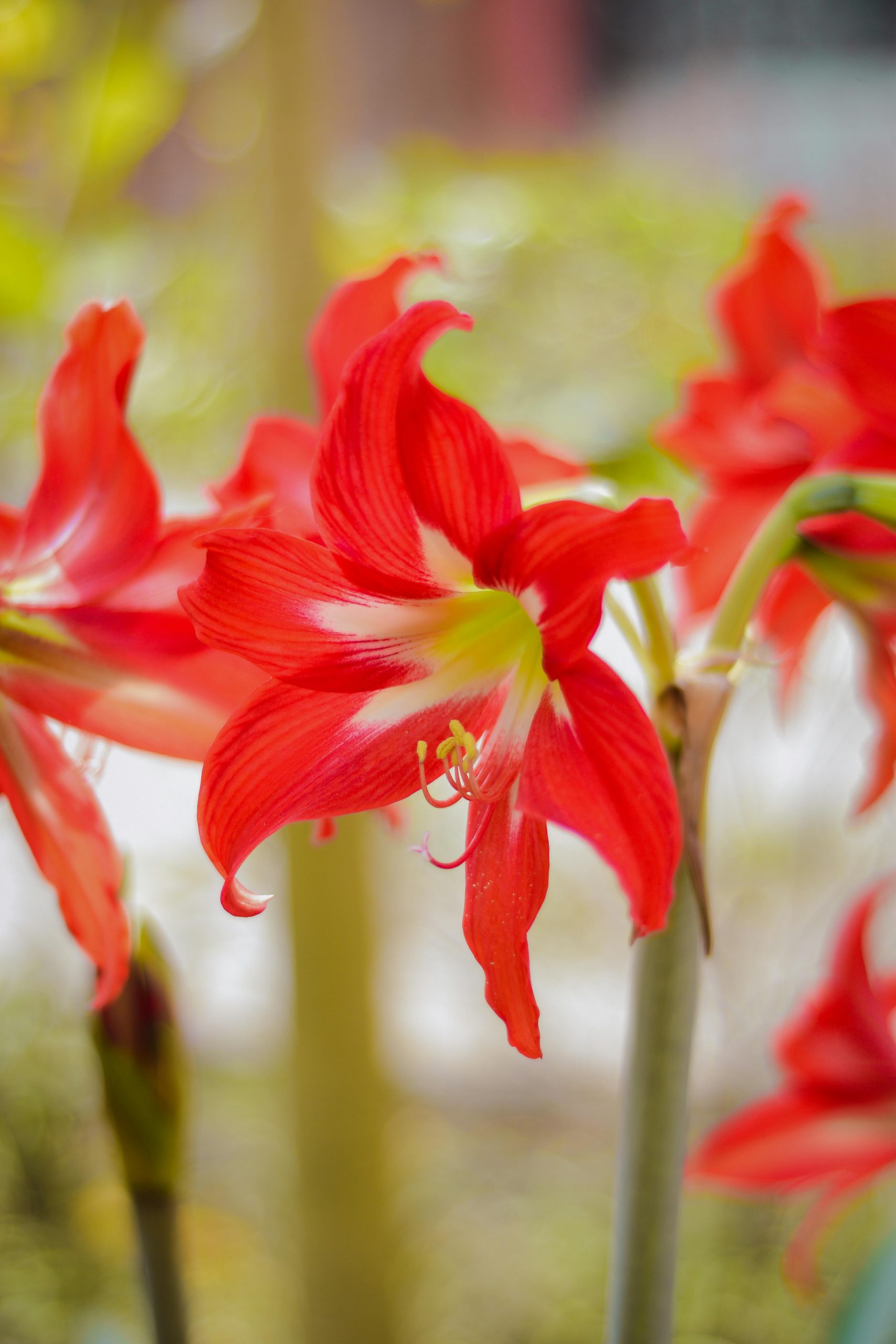
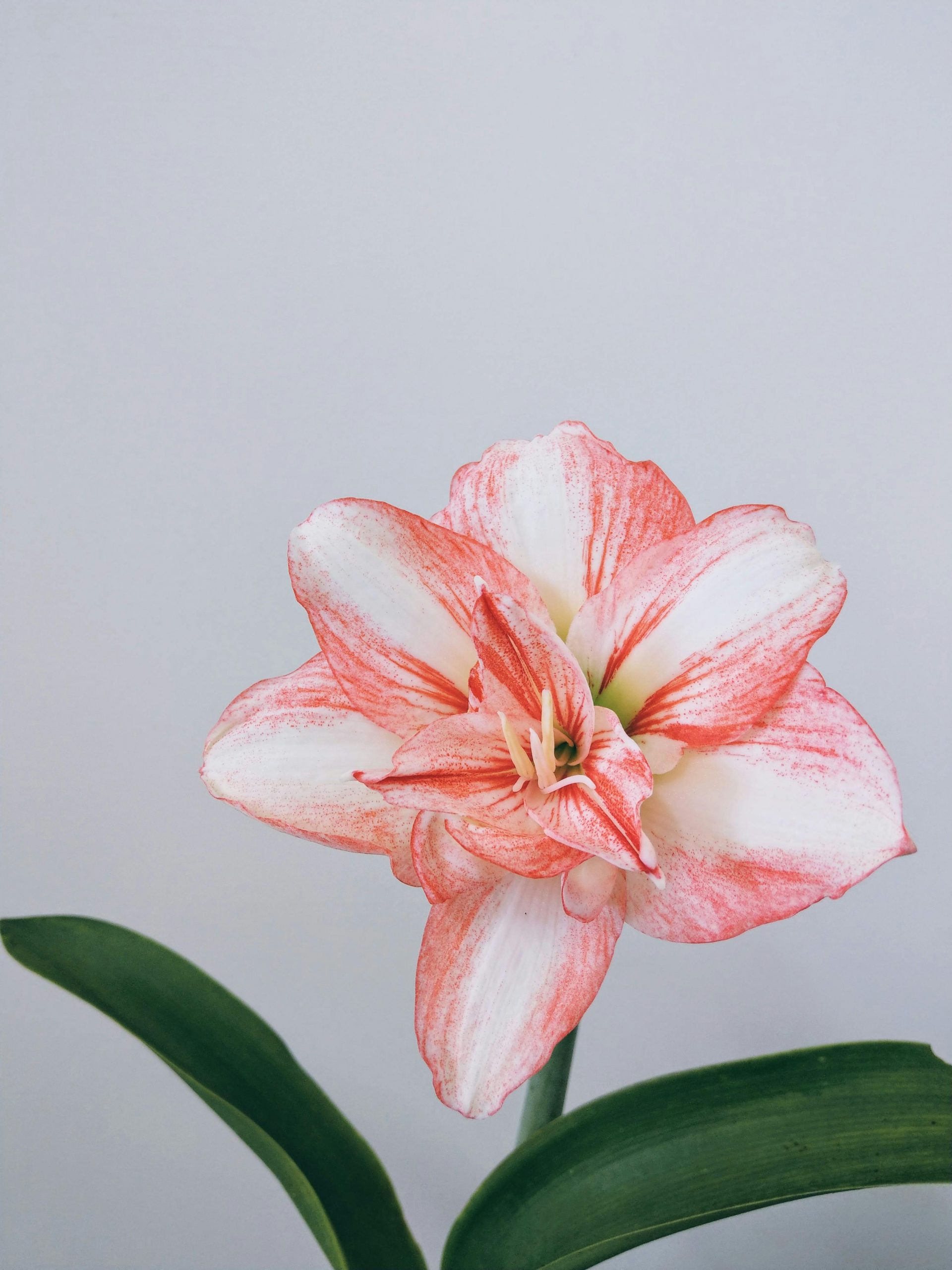
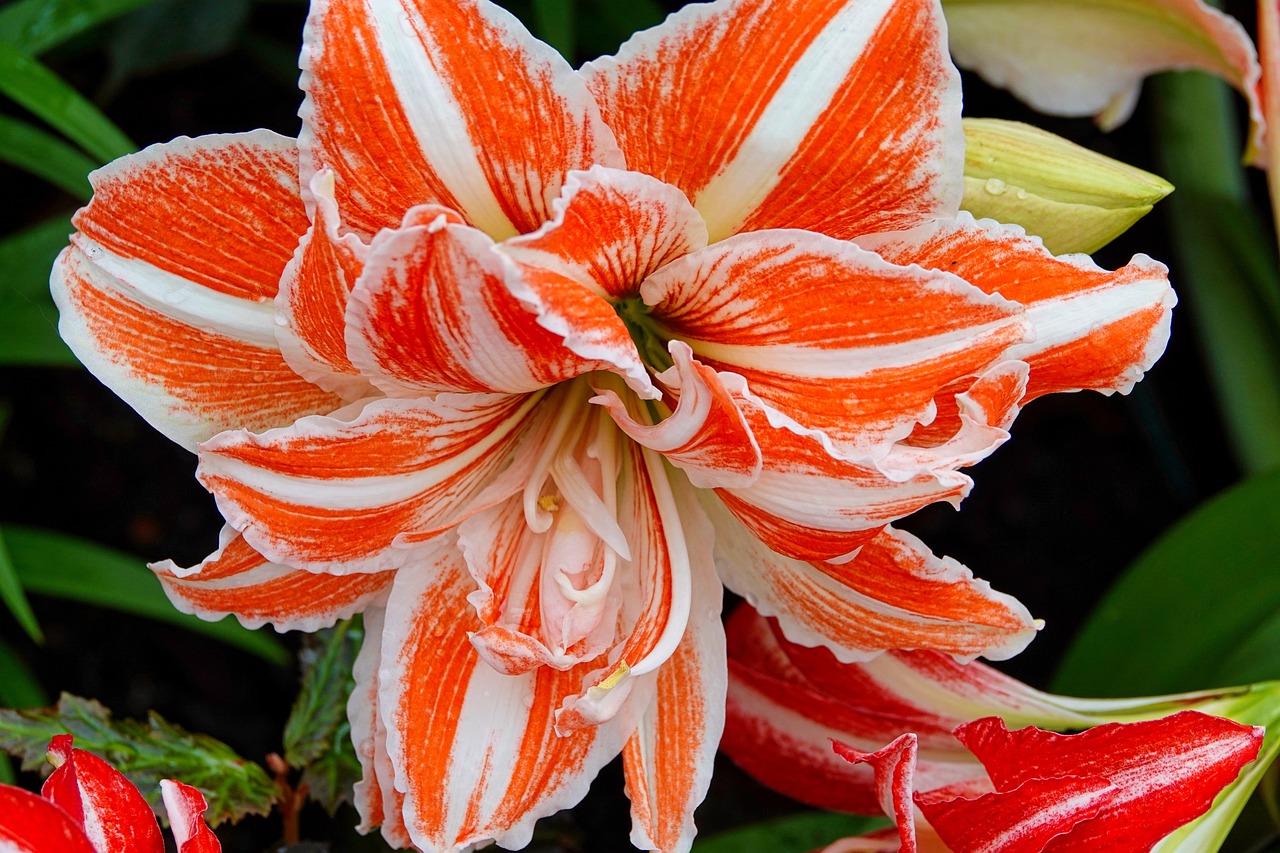
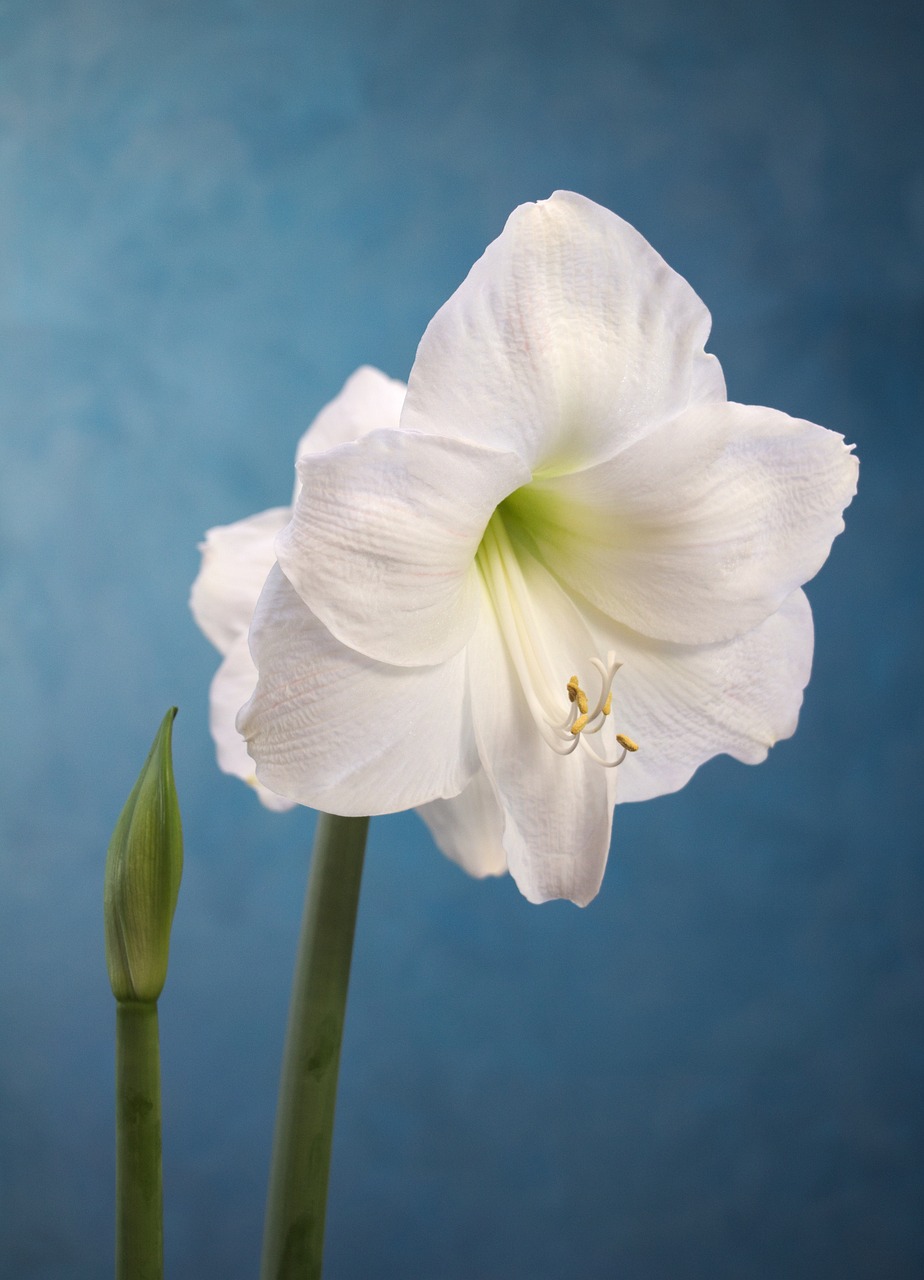
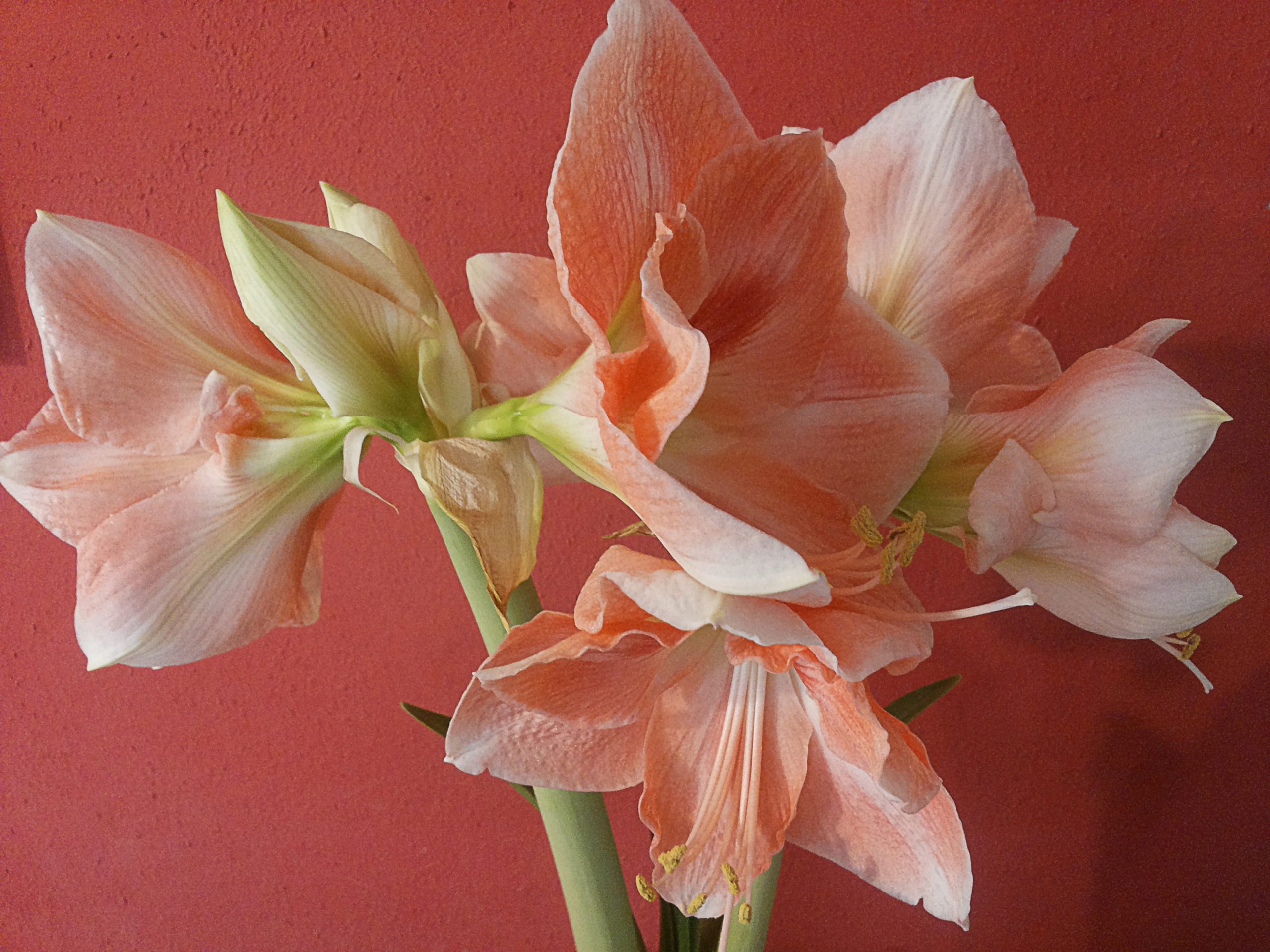
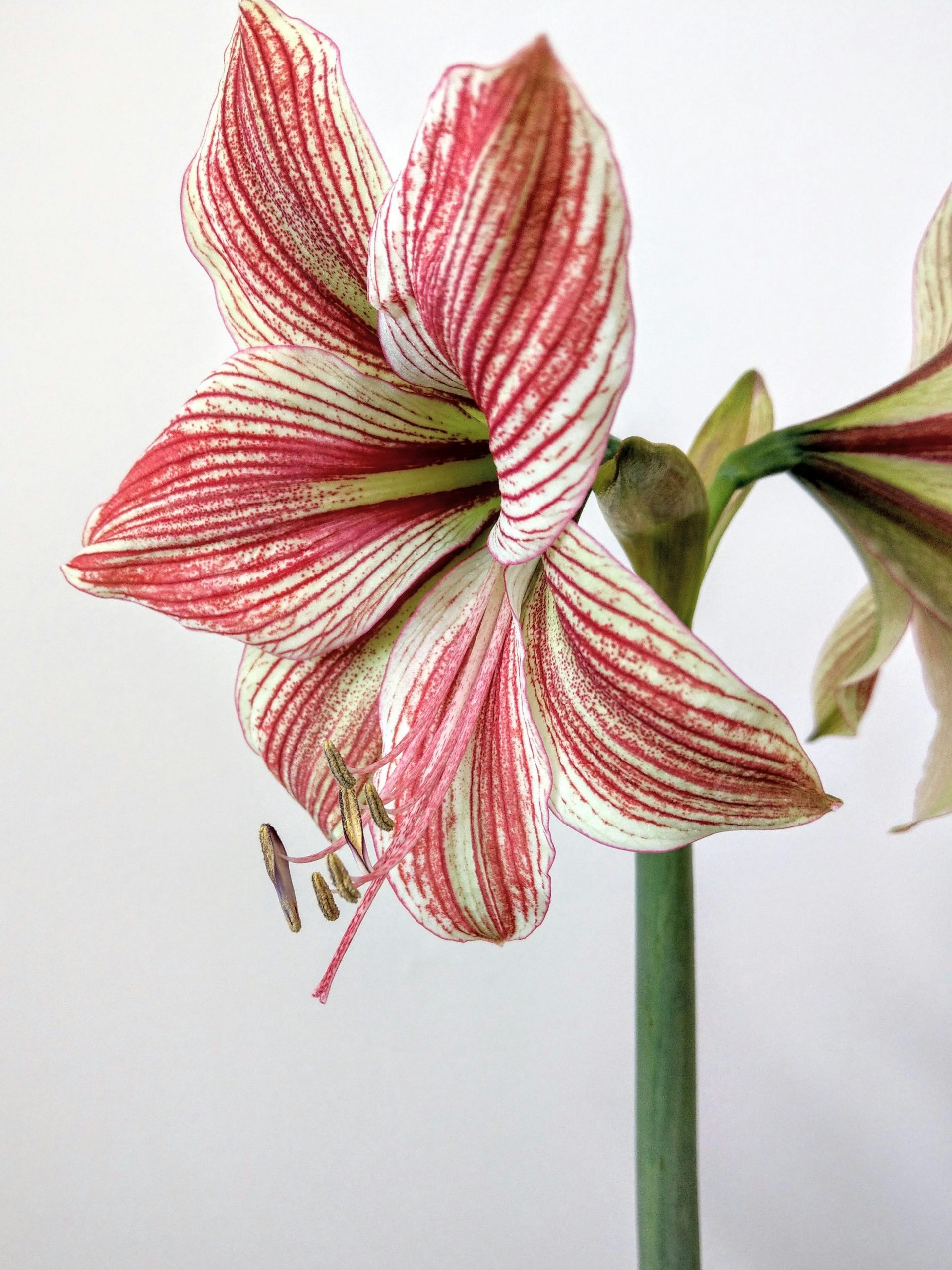
Before we delve into the specifics of growing amaryllis, it’s important to understand the plant itself. Amaryllis (Hippeastrum spp.) are perennial bulbs native to South America, renowned for their large, trumpet-shaped flowers that come in a range of colors including red, pink, white, and various shades in between. These beauties typically bloom in winter or early spring, making them a delightful addition to indoor spaces during the colder months.
Choosing the Right Bulb:
Selecting a healthy bulb is the first step towards successful amaryllis cultivation. When purchasing bulbs, look for ones that are firm, plump, and free from any signs of mold or damage. Larger bulbs generally produce more flowers, so opt for bulbs that are at least 5-7 centimeters in diameter for optimal results.
Planting and Potting:
Amaryllis bulbs thrive in well-draining soil, so it’s crucial to use a potting mix specifically formulated for bulbs or one that consists of equal parts potting soil, perlite, and coarse sand. When planting, choose a pot that provides ample room for the bulb and allows for approximately 1-2 inches of space around the sides. Plant the bulb with about one-third to one-half of its height protruding above the soil surface.
Light and Temperature Requirements:
Amaryllis prefer bright, indirect light, so place them near a south or west-facing window where they’ll receive plenty of sunlight without being exposed to direct rays. Maintain temperatures between 65-75°F (18-24°C) during the growing season, and slightly cooler temperatures (55-60°F or 13-16°C) when the plant is dormant.
Watering and Feeding:
During the active growing period, water the amaryllis thoroughly whenever the top inch of soil feels dry to the touch, allowing any excess water to drain away freely. Avoid overwatering, as this can lead to bulb rot. Once a month, feed the plant with a balanced liquid fertilizer diluted to half strength to support healthy growth and abundant blooms.
Support and Maintenance:
As the amaryllis grows, it may require staking to support its tall flower stalks, especially when in bloom. Use bamboo stakes or other sturdy supports to prevent the stalks from bending or toppling over. Additionally, remove any spent flowers promptly to encourage continuous blooming and prevent the plant from expending energy on seed production.
Dormancy and Reblooming:
After the amaryllis has finished blooming, it will enter a period of dormancy. During this time, gradually reduce watering and withhold fertilizer to allow the plant to rest. Trim back any yellowing foliage and store the bulb in a cool, dark place for 8-10 weeks to encourage flowering in the following season. When new growth emerges, resume regular watering and feeding to kickstart the growth cycle once again.
Pest and Disease Management:
While amaryllis are relatively resistant to pests and diseases, they may occasionally fall prey to common garden pests such as aphids, mealybugs, or spider mites. Inspect the plant regularly for signs of infestation, and treat affected areas with insecticidal soap or neem oil as needed. Avoid overwatering or allowing water to accumulate around the bulb, as this can lead to fungal diseases such as bulb rot.
Conclusion:
In conclusion, cultivating amaryllis is a rewarding endeavor that offers bountiful blooms and endless beauty. By following these simple guidelines for planting, care, and maintenance, you’ll be well on your way to enjoying the splendor of these magnificent flowering bulbs in your own garden or indoor space. With a little patience and tender loving care, your amaryllis is sure to flourish and brighten up even the dreariest of days.