HISTORY OF THE FUSCHIA
The history of fuchsia, a genus of flowering plants in the family Onagraceae, is rich and spans several centuries, involving discovery, cultivation, and cultural significance.
Discovery and Naming
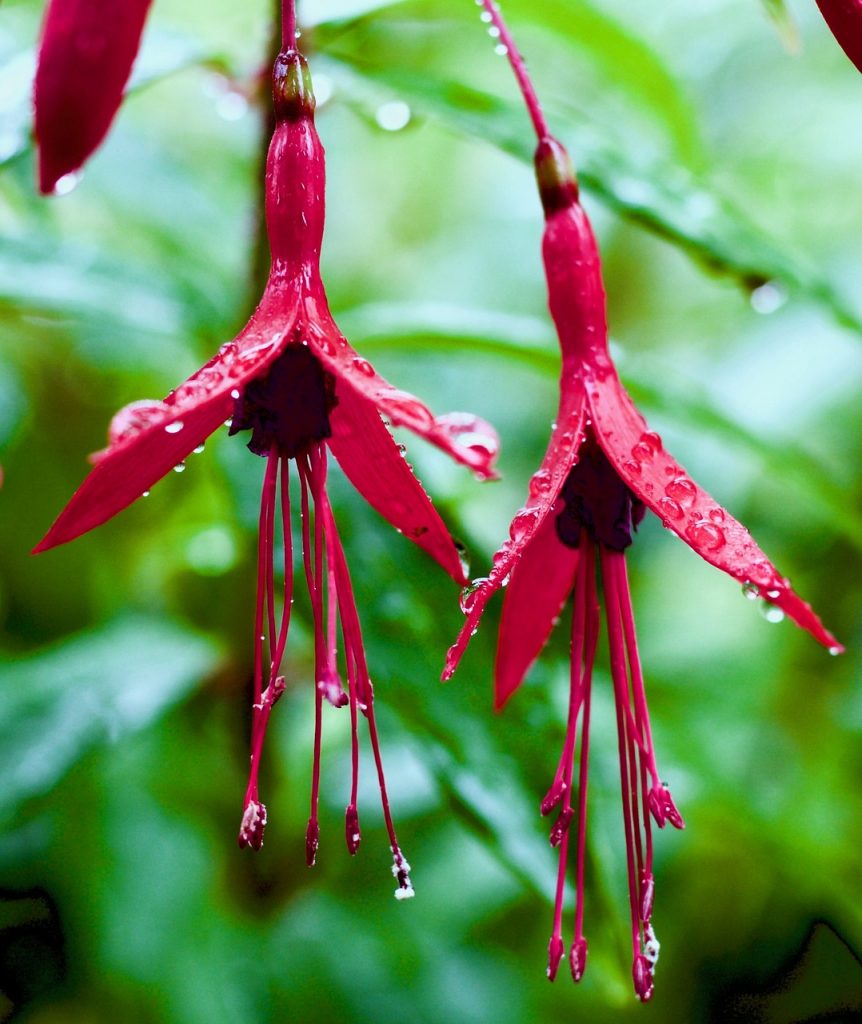
- Early Discovery: The first recorded discovery of fuchsia was in the late 17th century. In 1696-1697, the French monk and botanist Charles Plumier discovered the plant in the Caribbean island of Hispaniola (now Haiti and the Dominican Republic).
- Naming: Plumier named the plant Fuchsia triphylla coccinea in honour of the renowned German botanist Leonhart Fuchs (1501-1566). This marked the introduction of the genus to the scientific community.
Botanical Exploration and Classification
- 18th Century: After Plumier’s initial discovery, other species of fuchsia were found in Central and South America. These discoveries were often made by European botanists and explorers who were traveling to these regions.
- European Introduction: Fuchsia plants were introduced to Europe in the 18th century. They quickly became popular in gardens and conservatories due to their vibrant colours and attractive appearance.
Cultivation and Hybridization
- 19th Century: The 19th century saw a surge in the popularity of fuchsias. Gardeners and horticulturists in Europe began to cultivate and hybridize different species. The Victorians, in particular, were enamoured with fuchsias and contributed significantly to the development of numerous cultivars.
- Hybrid Varieties: Hybridization efforts led to the creation of a wide variety of fuchsia plants with different colors, shapes, and sizes. This made the plant even more popular among gardening enthusiasts.
Cultural Significance
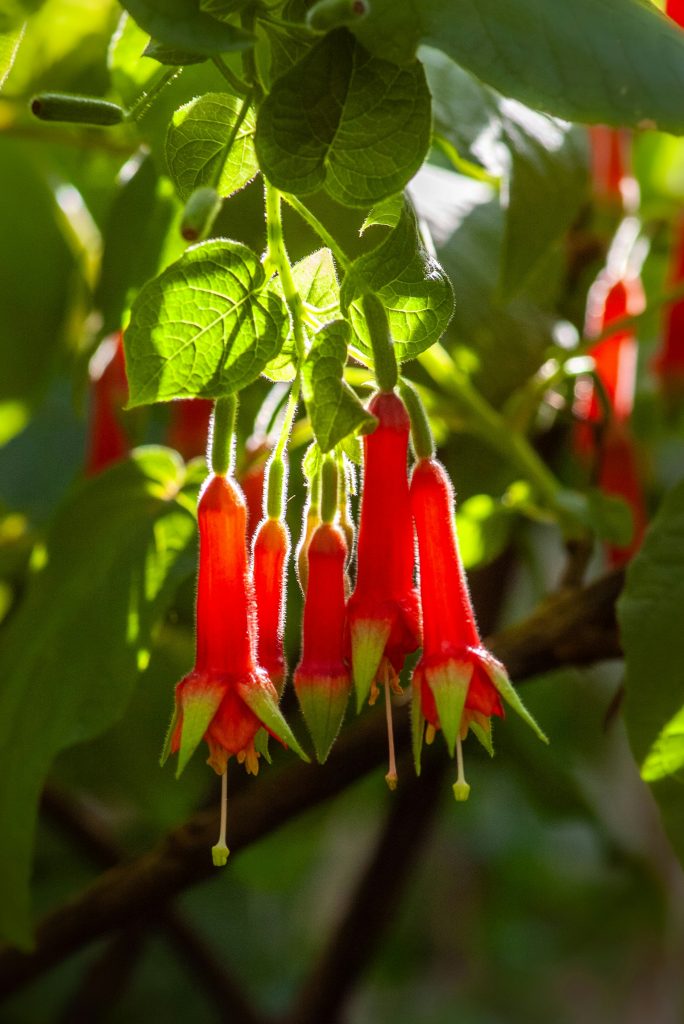
- Symbolism: In the Victorian language of flowers, fuchsia symbolized confiding love. Its delicate and intricate flowers were often associated with elegance and taste.
- Art and Literature: The vibrant and exotic appearance of fuchsia flowers has made them a subject of interest in art and literature. They are often depicted in botanical illustrations and have inspired poets and writers.
Modern Day
- Global Popularity: Today, fuchsias are grown and appreciated worldwide. They are particularly popular in regions with mild climates, such as the Pacific Northwest in the United States and parts of the United Kingdom.
- Conservation: Some wild species of fuchsia are threatened by habitat loss and environmental changes. Efforts are being made to conserve these species and maintain their genetic diversity.
Varieties and Uses
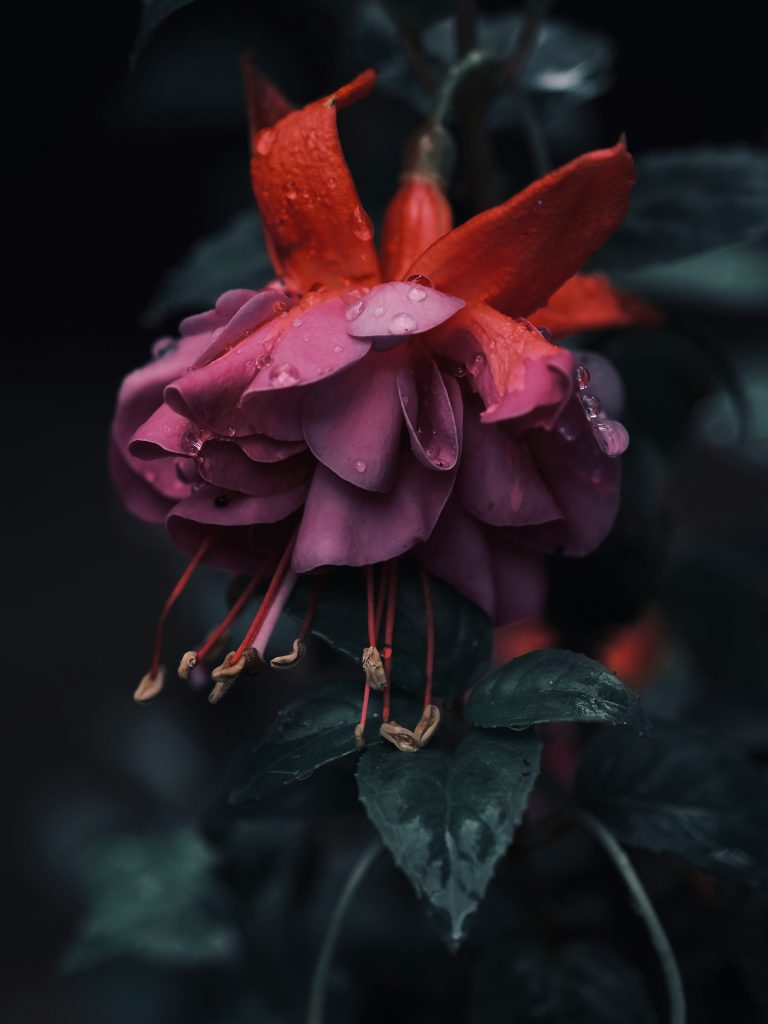
- Diverse Species: There are over 100 species of fuchsia, ranging from small shrubs to trees. The flowers come in a variety of colours including pink, red, purple, and white.
- Ornamental Use: Fuchsias are primarily grown for their ornamental value. They are used in hanging baskets, garden beds, and as container plants.
- Edible Uses: Some species of fuchsia produce edible berries, which are sometimes used in jams and jellies.
Challenges and Care
- Cultivation: Growing fuchsias can be challenging, as they require specific conditions to thrive. They prefer cool, moist environments and are sensitive to extreme heat and frost.
- Pests and Diseases: Fuchsias are susceptible to pests such as aphids, spider mites, and whiteflies. They can also be affected by fungal diseases like rust and botrytis.
Growing fuchsias can be rewarding, but they do require specific care to thrive. Here are some top secret tips to ensure your fuchsias flourish:
1. Ideal Location
- Shade and Sun: Fuchsias prefer bright, indirect light or partial shade. Morning sun with afternoon shade is ideal.
- Protection: Protect them from strong winds and harsh, direct midday sun.
2. Soil Requirements
- Well-Draining Soil: Use a potting mix that is rich in organic matter and ensures good drainage. A mix of peat moss, perlite, and compost works well.
- Soil pH: Fuchsias prefer slightly acidic to neutral soil (pH 6.0-7.0).
3. Watering Technique
- Consistent Moisture: Keep the soil consistently moist but not waterlogged. Water when the top inch of soil feels dry.
- Deep Watering: Water thoroughly to encourage deep root growth. Avoid wetting the foliage to prevent fungal diseases.
4. Feeding and Fertilizing
- Regular Feeding: Use a balanced liquid fertilizer every two weeks during the growing season (spring to early autumn). High-potassium fertilizers, like tomato feed, are particularly beneficial.
- Slow-Release Fertilizers: Alternatively, use a slow-release granular fertilizer at the beginning of the growing season.
5. Pruning and Pinching
- Regular Pruning: Prune in early spring to remove dead or weak growth and shape the plant. Cut back to healthy buds.
- Pinching Tips: Pinch out the growing tips of young plants to encourage bushier growth and more flowers.
6. Pest and Disease Control
- Common Pests: Watch for aphids, spider mites, and whiteflies. Use insecticidal soap or neem oil to control infestations.
- Fungal Diseases: Prevent rust and botrytis by ensuring good air circulation around the plants and avoiding overhead watering. Remove any affected leaves immediately.
7. Overwintering
- Protect from Frost: In colder climates, bring fuchsias indoors before the first frost. They can be kept in a cool, frost-free place with minimal watering.
- Dormancy Care: Allow the plants to go dormant by reducing watering and stopping fertilization. Cut back on growth if necessary.
8. Proper Potting
- Pot Size: Use a pot that allows room for growth but isn’t too large. Ensure it has adequate drainage holes.
- Repotting: Repot fuchsias every couple of years to refresh the soil and provide more space for root growth.
9. Humidity and Temperature
- Optimal Temperature: Fuchsias prefer temperatures between 60-70°F (15-21°C). Avoid exposing them to temperatures above 80°F (27°C).
- Humidity: Maintain moderate humidity levels. Mist the plants occasionally if the air is too dry.
10. Mulching
- Mulch Benefits: Apply a layer of mulch around the base of the plants to retain moisture, suppress weeds, and regulate soil temperature.
Bonus Tips
- Deadheading: Regularly remove spent flowers to encourage continuous blooming.
- Rotate Plants: If growing indoors or in containers, rotate the plants periodically to ensure even light exposure and growth.
By following these top secret tips, you can create the optimal conditions for your fuchsias to thrive, resulting in healthy plants with abundant and vibrant blooms.
The history of fuchsia is a testament to its enduring appeal and the fascination it has inspired among botanists, gardeners, and flower enthusiasts across centuries.
Here are 20 of the best fuchsia varieties, each celebrated for its unique beauty, vibrant colours, and desirable growth characteristics:
Hardy Varieties
- Fuchsia ‘Riccartonii’
- Features: Small red and purple flowers, hardy and vigorous.
- Use: Ideal for hedges and large borders.
- Fuchsia ‘Mrs Popple’
- Features: Bright red and purple flowers, robust and reliable.
- Use: Excellent for mixed borders and containers.
- Fuchsia ‘Hawkshead’
- Features: Elegant white flowers with green tips, hardy and upright.
- Use: Suitable for borders and large pots.
- Fuchsia ‘Genii’
- Features: Golden foliage with contrasting red and purple flowers.
- Use: Adds color contrast in borders and containers.
- Fuchsia ‘Chillerton Beauty’
- Features: Pale pink and lavender flowers, hardy and bushy.
- Use: Good for mixed borders and sheltered spots.
Trailing Varieties
- Fuchsia ‘Swingtime’
- Features: Large double flowers in red and white.
- Use: Perfect for hanging baskets and window boxes.
- Fuchsia ‘Trailing Queen’
- Features: Long trailing stems with red and purple flowers.
- Use: Ideal for hanging baskets and cascading over edges.
- Fuchsia ‘La Campanella’
- Features: Delicate pink and lavender flowers, trailing habit.
- Use: Excellent for hanging baskets and patio pots.
- Fuchsia ‘Dark Eyes’
- Features: Large double flowers in red and purple.
- Use: Great for hanging baskets and containers.
- Fuchsia ‘Blue Eyes’
- Features: Striking blue and pink flowers, trailing stems.
- Use: Suitable for hanging baskets and raised planters.
Upright Varieties
- Fuchsia ‘Beacon’
- Features: Red and white flowers, upright and bushy.
- Use: Good for borders and large containers.
- Fuchsia ‘Dollar Princess’
- Features: Double flowers in red and purple, compact and upright.
- Use: Ideal for small gardens and patio pots.
- Fuchsia ‘Ben Jammin’
- Features: Red and deep purple flowers, upright and free-flowering.
- Use: Suitable for borders and containers.
- Fuchsia ‘Lady Boothby’
- Features: Climbing variety with red and purple flowers.
- Use: Perfect for training up trellises and obelisks.
- Fuchsia ‘Garden News’
- Features: Pink and purple flowers, upright and compact.
- Use: Excellent for small gardens and containers.
Unique and Specialty Varieties
- Fuchsia ‘Delta’s Sarah’
- Features: Blue and white flowers, semi-double, hardy.
- Use: Great for borders and containers.
- Fuchsia ‘Thalia’
- Features: Orange-red flowers, exotic-looking, upright.
- Use: Adds a tropical touch to gardens and pots.
- Fuchsia ‘Blackie’
- Features: Dark red to near-black flowers, trailing.
- Use: Striking choice for hanging baskets.
- Fuchsia ‘Eruption’
- Features: Bright cerise-pink flowers, semi-trailing habit.
- Use: Perfect for baskets and cascading over edges.
- Fuchsia ‘Pink Galore’
- Features: Large pink double flowers, vigorous grower.
- Use: Ideal for large containers and garden beds.
These varieties offer a range of colours, forms, and growth habits, making them suitable for various garden settings and decorative purposes.