HISTORY OF THE LETTUCE
Lettuce, a staple in many diets around the world, has a rich and varied history that stretches back thousands of years. Here is an overview of its journey:
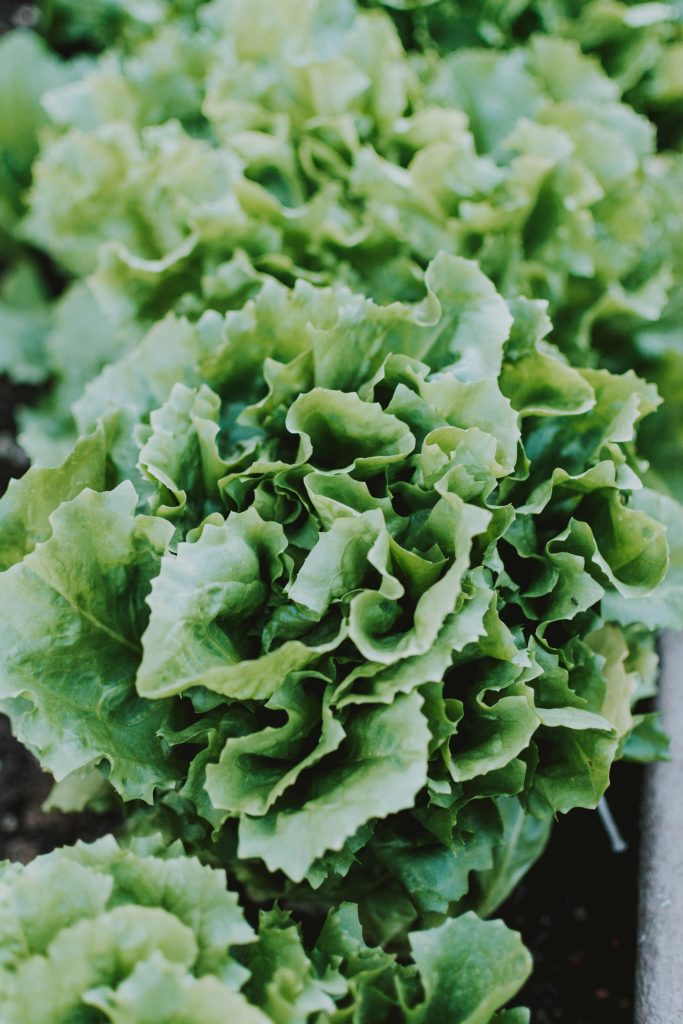
Ancient Beginnings
- Origins: Lettuce (Lactuca sativa) is believed to have originated in the Mediterranean basin. It is thought to have been cultivated from the wild species Lactuca serriola.
- Ancient Egypt: The earliest records of lettuce cultivation date back to ancient Egypt around 2680 BC. Egyptians valued lettuce both as a food and for its seeds, which were used to produce oil. Lettuce was associated with the god Min, a deity of fertility, and it was often depicted in tomb paintings.
Spread through the Mediterranean and Beyond
- Greece and Rome: The cultivation of lettuce spread to Greece by the 6th century BC, where it was known as “thridax.” Greek physician Hippocrates and philosopher Aristotle mentioned its medicinal properties. By the time of the Roman Empire, lettuce had become a common food item and was known as “lactuca.” Romans cultivated various types, appreciating its cooling properties.
- Medieval Europe: During the Middle Ages, lettuce cultivation spread throughout Europe. It was often mentioned in herbal texts and valued for its supposed health benefits, including inducing sleep and improving digestion.
Renaissance to the Modern Era
- Renaissance: With the rise of exploration and trade during the Renaissance, lettuce varieties were further disseminated across Europe and into Asia. New varieties were developed, and its popularity continued to grow.
- Colonial America: European settlers brought lettuce to the Americas in the late 15th and early 16th centuries. It quickly became a popular garden vegetable in the New World.
Industrialization and Modern Cultivation
- 19th and 20th Centuries: Advances in agricultural practices and transportation during the 19th and 20th centuries greatly increased lettuce production. Refrigeration allowed lettuce to be transported over long distances without spoiling, which expanded its availability.
- Varietal Development: In the 20th century, numerous varieties of lettuce were developed to cater to different tastes and growing conditions. This includes the popular iceberg lettuce, which was developed in the United States in the early 20th century and became famous for its crisp texture and long shelf life.
Today
- Global Staple: Lettuce is now a global staple, with major production centers in China, the United States, and Europe. It is a key ingredient in salads, sandwiches, and many other dishes.
- Sustainable Practices: Modern cultivation includes a focus on sustainable practices, such as reducing water usage and minimizing pesticide use. Organic lettuce has also become popular among consumers seeking healthier options.
Lettuce has thus evolved from a wild plant to a highly cultivated and versatile crop, essential to cuisines around the world. Its journey reflects changes in agricultural practices, dietary preferences, and global trade dynamics.