There’s something magical about flowers that bloom in the dark, their beauty revealed only under the moonlight. Known as nocturnal or night-blooming flowers, these plants have evolved fascinating adaptations to attract specific pollinators, thrive in cooler night temperatures, and add an air of mystery to gardens and wild landscapes. Let’s delve into the world of night-blooming flowers, exploring their enchanting beauty and unique survival strategies.
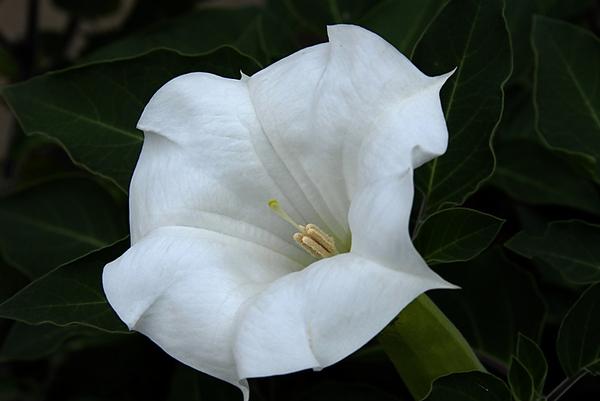
Ipomoea alba
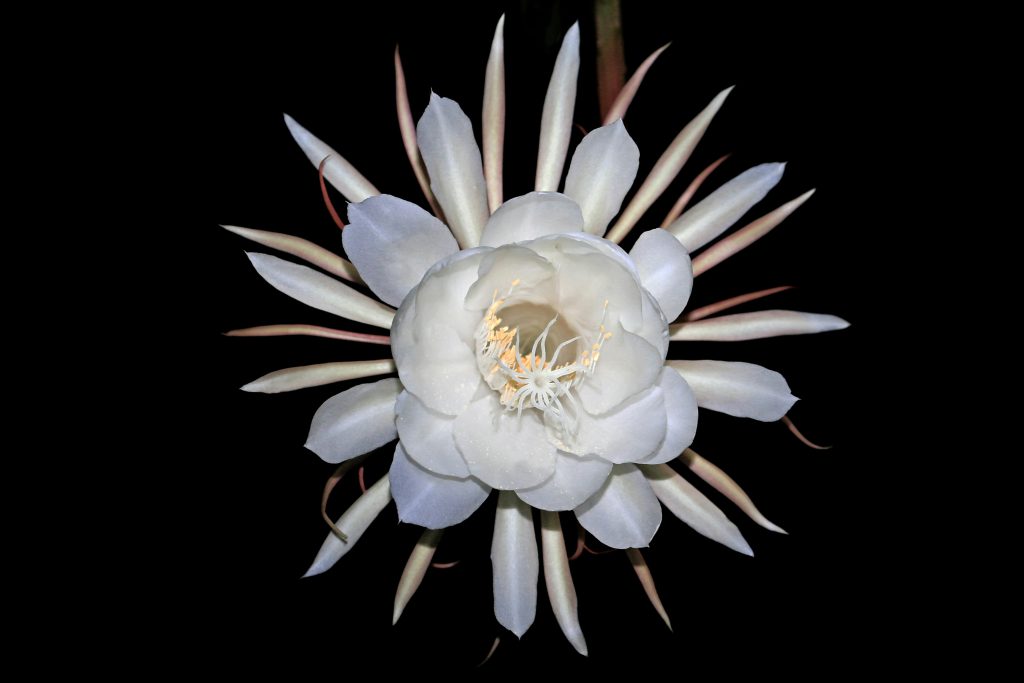
Epiphyllum sp.
Why Do Some Flowers Bloom at Night?
Most flowers bloom during the day to take advantage of sunlight and the activities of daytime pollinators, like bees and butterflies. However, night-blooming flowers have evolved in a different direction. These plants have adapted to attract nocturnal pollinators, such as moths, bats, and even certain species of nocturnal beetles.
The Role of Nocturnal Pollinators
Pollination is crucial for flowering plants to reproduce, and for many night-blooming species, their pollinators come out only after sunset. Moths, especially species like the sphinx moth, play a vital role in pollinating night-blooming plants. These moths are drawn to the pale or white color of many night flowers, which appear brighter and easier to spot under the moonlight. In addition to their color, these flowers also rely heavily on fragrance to attract pollinators.
The moonflower (Ipomoea alba), for example, releases a sweet, intoxicating scent in the evening, drawing in pollinators from a distance. Bats, another key pollinator, are attracted to larger flowers, like those of the night-blooming cereus (Hylocereus undatus), which opens its wide, white petals to accommodate their visits.
Examples of Fascinating Night-Blooming Flowers
- Moonflower (Ipomoea alba)
The moonflower, part of the morning glory family, opens its large, white blooms at dusk and closes them by sunrise. Its name reflects its moon-like appearance and the fact that it thrives under moonlight. The flowers exude a sweet fragrance that lures moths to aid in pollination. - Night-Blooming Jasmine (Cestrum nocturnum)
This plant is known for its powerful scent, which becomes especially intense at night. Its small, greenish-white flowers release an intoxicating fragrance, often filling entire gardens with a sweet aroma. While pollinated by moths, night-blooming jasmine is also a favorite among humans for its perfume-like scent. - Queen of the Night (Epiphyllum oxypetalum)
Often considered one of the most dramatic night bloomers, the Queen of the Night cactus produces large, showy white flowers that bloom only for one night. It’s a rare and fleeting spectacle, where the flower unfurls for just a few hours before wilting by dawn. - Brahma Kamal (Saussurea obvallata)
Native to the Himalayas, Brahma Kamal is a sacred flower in India and blooms only for a few hours at night, typically during monsoon season. This night-blooming marvel is associated with divine blessings and is revered in both Hindu and Buddhist cultures. - Tuberose (Polianthes tuberosa)
Known for its strong, floral fragrance, tuberose blooms in the evening and is used extensively in perfumery. Its white, waxy flowers have long been associated with both romance and spirituality.
Fragrance: The Signature Trait of Night-Blooming Flowers
What night-blooming flowers lack in vibrant daytime colors, they make up for with their fragrance. Unlike most day-blooming flowers, which rely heavily on bright colors to attract pollinators, nocturnal flowers emit strong scents to draw attention in the darkness.
For example, the moonflower’s strong perfume is designed to attract moths that have a keen sense of smell. Similarly, the jasmine plant emits a scent that intensifies after sunset, helping pollinators locate it in the dark.
The chemical makeup of floral fragrances is complex, often composed of a variety of volatile organic compounds (VOCs). Different compounds are released in response to different environmental triggers, like temperature, time of day, and the presence of pollinators.
Surviving the Night: Adaptations to Thrive in Darkness
In addition to attracting nocturnal pollinators, night-blooming flowers have developed several adaptations to survive and thrive in night time conditions:
- Reflective Petals: Many nocturnal flowers have pale or white petals that reflect moonlight, making them more visible in the dark. This adaptation helps attract pollinators that are guided by sight in low light, like moths.
- Large Blooms: Flowers that rely on bats for pollination, like the agave or the night-blooming cereus, tend to have large, bowl-shaped blooms. These large flowers make it easier for the bats to access nectar, and in turn, the bats help spread the plants’ pollen.
- Lower Water Loss: By blooming at night, many of these plants avoid the intense heat and sunlight of the day, which can cause increased water loss through evaporation. Blooming in cooler nighttime temperatures helps them conserve moisture.
Creating a Night Garden: How to Cultivate Night-Blooming Flowers
If you’re intrigued by the idea of enjoying a garden that comes alive after dark, you can easily incorporate night-blooming flowers into your landscape. Consider planting a combination of fragrant night bloomers like night-blooming jasmine or tuberose alongside larger, showy varieties like the moonflower.
Choose areas in your garden that get plenty of moonlight for an added ethereal glow. Remember to ensure that your night bloomers are planted in well-draining soil and are watered regularly.
Night-blooming flowers can transform any garden into a magical, sensory experience, offering a unique blend of beauty and fragrance under the cover of night.