HISTORY OF THE RADISH
Radishes (Raphanus sativus) have a long and fascinating history that dates back thousands of years. Here’s an overview of their journey from ancient times to the modern day:
Ancient Beginnings
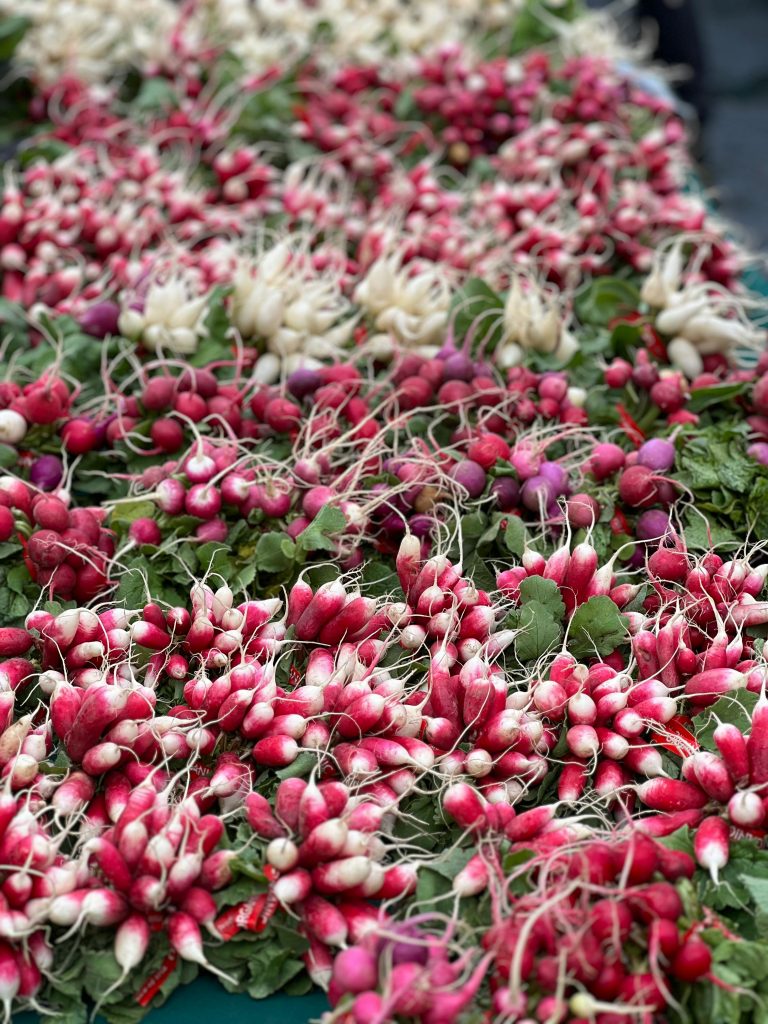
- Origins: The radish is believed to have originated in Southeast Asia, with evidence suggesting it was one of the first vegetables to be cultivated. Its wild ancestors are thought to have come from the regions around the eastern Mediterranean and the Caspian Sea.
- Ancient Egypt: Radishes were grown in ancient Egypt as early as 2700 BC. The workers who built the pyramids were reportedly fed a diet that included radishes, along with onions and garlic, to keep them healthy and strong. Radish seeds were also used to produce oil.
Spread through the Mediterranean and Beyond
- Ancient Greece and Rome: The Greeks and Romans were familiar with radishes by the 3rd century BC. The Greeks even created replicas of radishes in gold. Radishes were commonly eaten raw, cooked, or preserved in vinegar. They were also believed to have medicinal properties and were used to treat various ailments.
- China and Japan: Radishes spread to China and Japan by the 1st century AD. In China, they became an essential part of the diet and traditional medicine. The daikon, a long white radish, became particularly popular in Japan and remains a staple in Japanese cuisine.
Medieval Europe
- Medieval Period: During the Middle Ages, radishes were cultivated throughout Europe. They were included in various culinary recipes and valued for their supposed health benefits, such as aiding digestion and treating skin disorders.
Renaissance to the Modern Era
- Renaissance: The spread of radishes continued during the Renaissance, and they were introduced to new regions through trade and exploration. European settlers brought radishes to the Americas in the 16th century, where they quickly became a popular garden vegetable.
Industrialization and Modern Cultivation
- 19th and 20th Centuries: The 19th and 20th centuries saw significant advancements in radish cultivation. Improved agricultural practices, such as selective breeding, led to the development of numerous radish varieties with different sizes, shapes, colors, and flavors. The introduction of refrigeration and better transportation methods allowed radishes to be distributed more widely.
- Varietal Development: Varieties such as the red globe radish, which is common in Western salads, were developed during this period. Radishes also became popular in different culinary traditions around the world, from the spicy Korean kimchi to the crunchy additions in Mexican tacos.
Today
- Global Crop: Radishes are now grown worldwide, with significant production in China, Japan, Korea, and Europe. They are enjoyed in many forms, including fresh, pickled, and cooked.
- Nutritional and Culinary Value: Modern consumers appreciate radishes for their nutritional benefits, such as being low in calories and high in vitamin C, fiber, and antioxidants. They are used in a variety of dishes, adding a peppery flavor and crunchy texture.
Radishes have thus evolved from an ancient staple to a globally enjoyed vegetable, reflecting agricultural advancements and culinary diversity. Their history is a testament to human ingenuity in cultivating and utilizing plants for food and medicine across different cultures and eras.