HISTORY OF THE ROSE
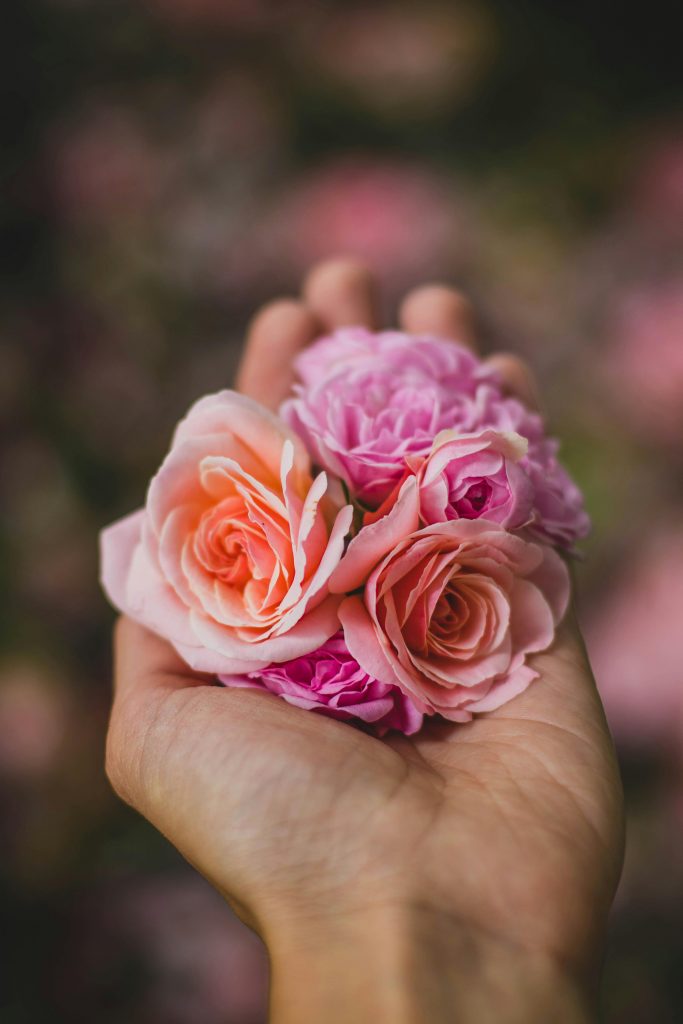
The rose, a symbol of beauty and love, has a rich and diverse history that spans thousands of years and crosses multiple cultures.
Ancient Times
- Earliest Records: The rose is believed to have first appeared around 35 million years ago. Fossils of roses have been found in Europe, North America, and Asia.
- Mesopotamia and Egypt: The earliest cultivation of roses is often attributed to the ancient civilizations of Mesopotamia and Egypt. In Egypt, roses were associated with the goddess Isis and were often used in funeral rites and celebrations.
- Greek and Roman Eras: In Greek mythology, the rose was created by the goddess Aphrodite and symbolized love and beauty. The Romans used roses extensively in their banquets and celebrations, and the flowers became a symbol of the hedonistic lifestyle. The phrase “sub rosa,” or “under the rose,” originated in Roman times, signifying secrecy.
Middle Ages
- Christian Symbolism: In medieval Europe, the rose began to take on religious significance, particularly in Christianity. The red rose symbolized the blood of Christ, while the white rose represented the Virgin Mary.
- Heraldry and Literature: Roses were featured in heraldry and were the subject of many literary works. The Wars of the Roses, a series of civil wars for control of the English throne, were named after the emblems of the rival houses: the white rose of York and the red rose of Lancaster.
Renaissance and Beyond
- Cultural Symbol: During the Renaissance, the rose continued to be a popular symbol in art and literature. It represented love, beauty, and political power.
- Garden Cultivation: The cultivation of roses in gardens became increasingly sophisticated during this period. New varieties were developed, and the rose’s popularity as a garden flower soared in Europe.
18th and 19th Centuries
- Introduction of Chinese Roses: The introduction of repeat-blooming roses from China in the late 18th and early 19th centuries revolutionized rose breeding in Europe. These new varieties could bloom multiple times a year, unlike the once-blooming European species.
- Rise of Hybrid Teas: In the 19th century, hybrid tea roses were developed, combining the best traits of European and Chinese roses. These hybrids became the foundation for modern rose breeding.
Modern Era
- Symbol of Peace and Love: In the 20th century, the rose became an international symbol of peace. The Peace Rose, developed in the 1940s, was named to commemorate the end of World War II.
- Cultural and Commercial Significance: Today, roses are one of the most popular and commercially important flowers worldwide. They are cultivated for their beauty, fragrance, and as symbols in various cultural and religious contexts.
- Genetic Research and Breeding: Advances in genetic research have allowed for the development of new rose varieties with enhanced disease resistance, colour diversity, and fragrance.
Conclusion
From ancient myths and religious symbolism to modern genetic research and commercial cultivation, the history of the rose is as multifaceted and enduring as the flower itself. Its universal appeal and deep-rooted significance across cultures highlight its unique place in human history.
TEN BEST SCENTED ROSES
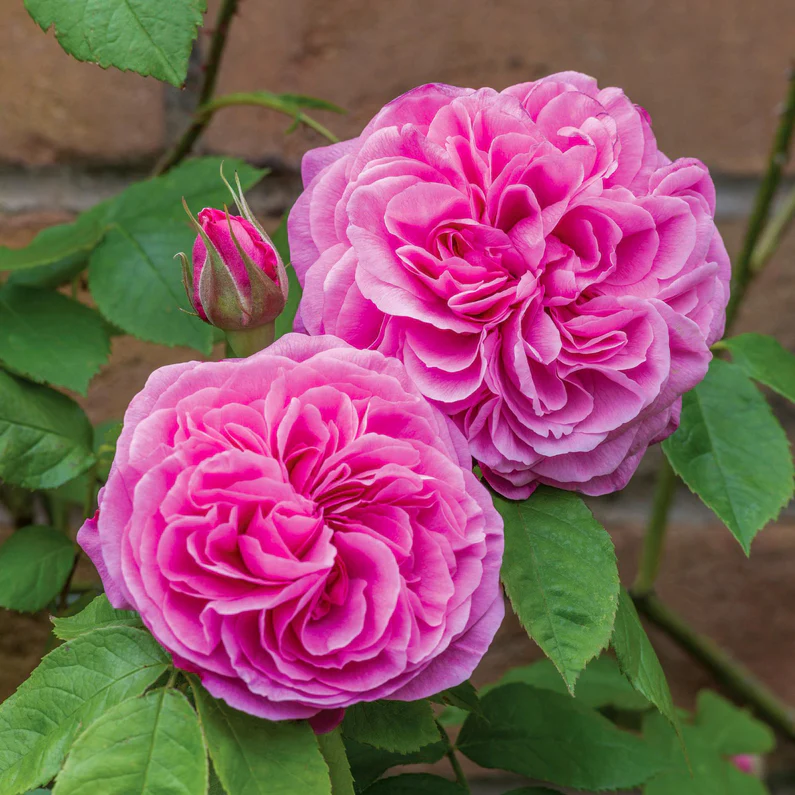
‘Gertrude Jekyll’
- ‘Double Delight’ (Hybrid Tea)
- A popular rose with a strong, spicy fragrance. It has creamy white petals with striking red edges.
- ‘Mister Lincoln’ (Hybrid Tea)
- This deep red rose is known for its intense, classic rose scent and large blooms.
- ‘Gertrude Jekyll’ (English Rose)
- Bred by David Austin, this rose is famed for its strong, old rose fragrance and beautiful pink blooms.
- ‘Evelyn’ (English Rose)
- Another David Austin variety, this rose offers a strong, fruity fragrance and large apricot-pink flowers.
- ‘Fragrant Cloud’ (Hybrid Tea)
- Known for its strong, spicy, and sweet scent, this rose has bright coral-red flowers.
- ‘Madame Isaac Pereire’ (Bourbon Rose)
- An old garden rose with an incredibly strong raspberry fragrance and deep pink flowers.
- ‘Scepter’d Isle’ (English Rose)
- This rose has a strong myrrh fragrance and beautiful pale pink blooms.
- ‘Charles de Gaulle’ (Hybrid Tea)
- Known for its unique lavender color and strong fragrance with hints of citrus.
- ‘Rose de Rescht’ (Portland Rose)
- An old-fashioned rose with a strong damask scent and rich, deep pink blooms.
- ‘Jude the Obscure’ (English Rose)
- Another from David Austin, it features large, creamy apricot blooms and a strong, fruity fragrance reminiscent of guava and sweet white wine.
These roses are celebrated not only for their beauty but also for their captivating and varied fragrances, making them excellent choices for any rose garden.