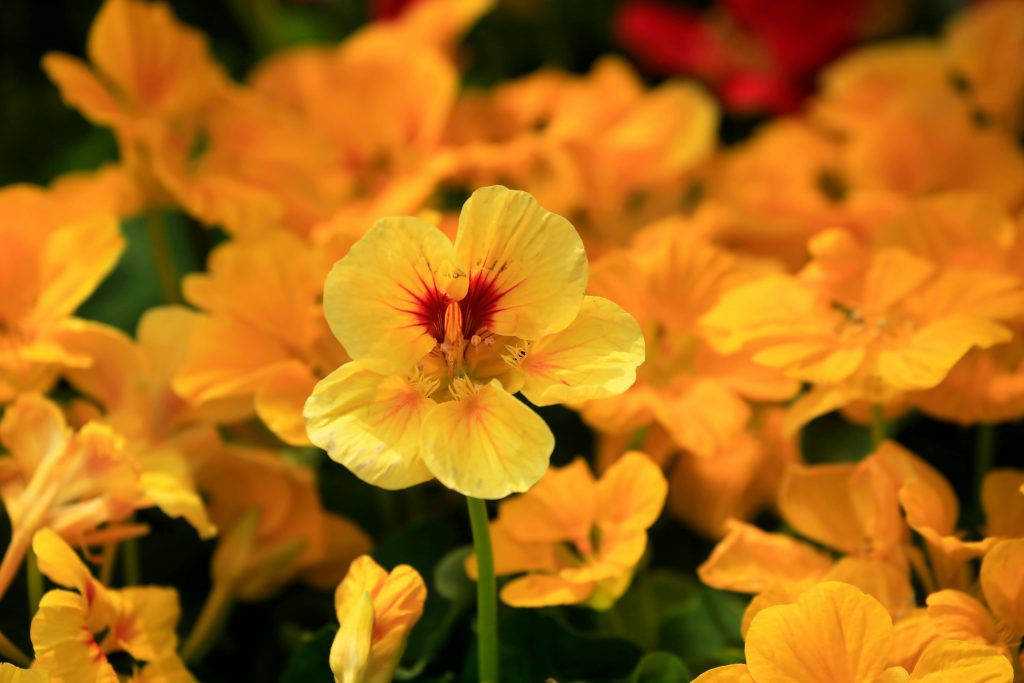
Nasturtiums (Tropaeolum spp.) are more than just vibrant garden blooms—they have a fascinating history intertwined with culinary, medicinal, and decorative traditions. Their adaptability and ease of cultivation make them a beloved choice for gardeners seeking both beauty and practicality.
A Glimpse into the History of Nasturtiums
Nasturtiums originated in South America, where they flourished in the highlands of Peru and Ecuador. Spanish explorers brought them to Europe in the 16th century, where they quickly gained popularity. Botanists admired their striking orange, red, and yellow hues, while herbalists valued their medicinal properties.
By the 19th century, nasturtiums had become a staple in ornamental gardens, prized for their trailing vines and edible flowers. Their distinctive, peppery flavor led to their incorporation into culinary dishes—sometimes as a substitute for capers!
Cultivating Nasturtiums: A Gardener’s Delight
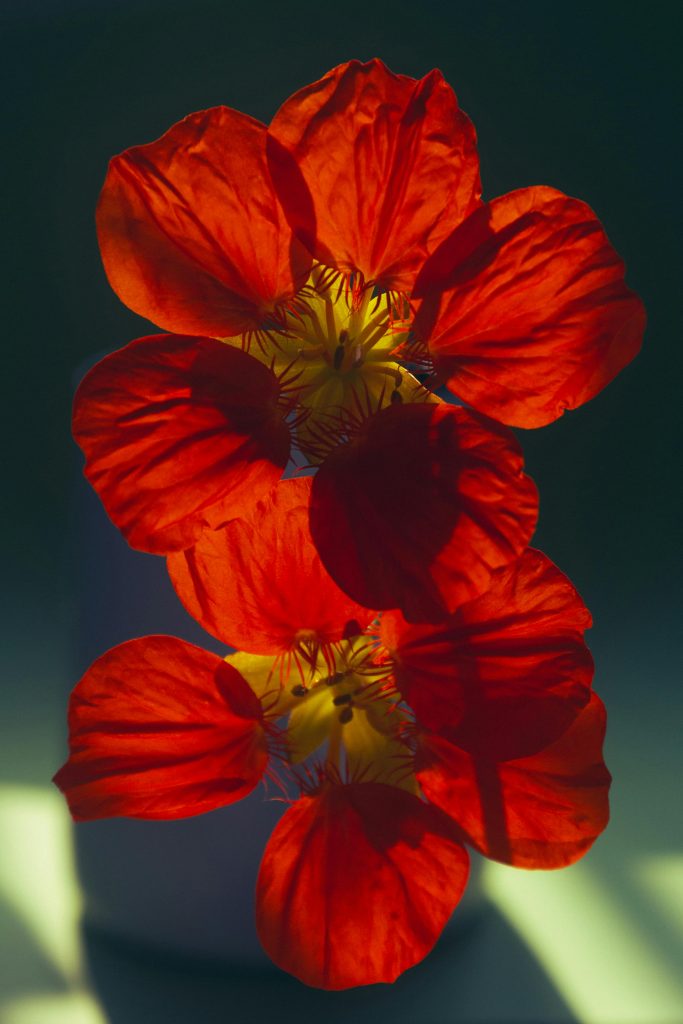
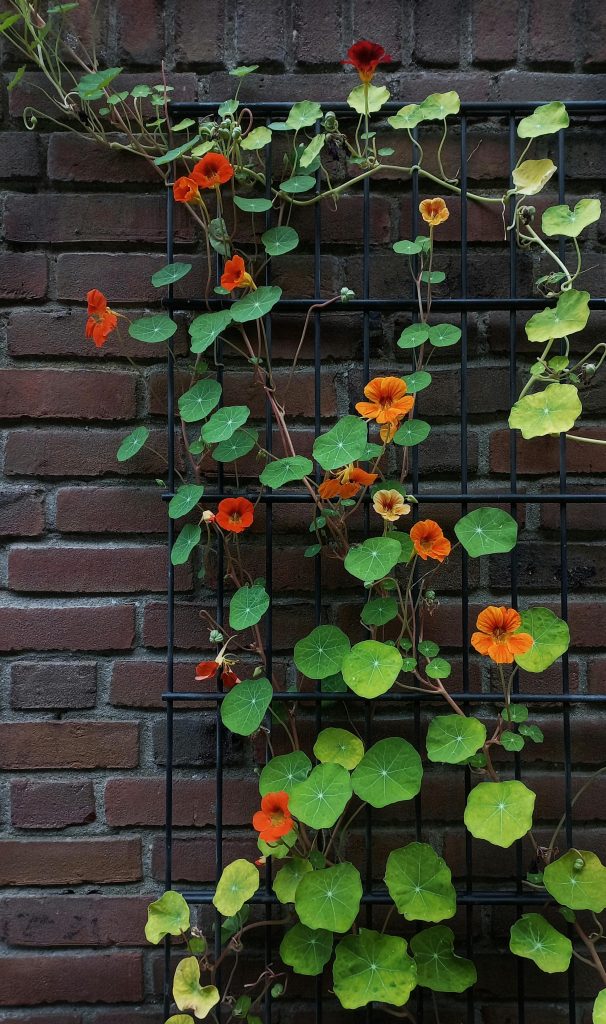
Nasturtiums are one of the easiest flowers to grow, thriving with minimal effort. Whether spilling over garden borders, climbing trellises, or brightening up containers, their versatility is unmatched.
Planting & Growing Conditions
- Soil: Nasturtiums prefer poor, well-draining soil. Rich soil produces more foliage but fewer flowers.
- Sunlight: Full sun encourages abundant blooms, though they tolerate partial shade.
- Watering: They prefer dry conditions—overwatering leads to excessive leaf growth and fewer flowers.
Propagation & Maintenance
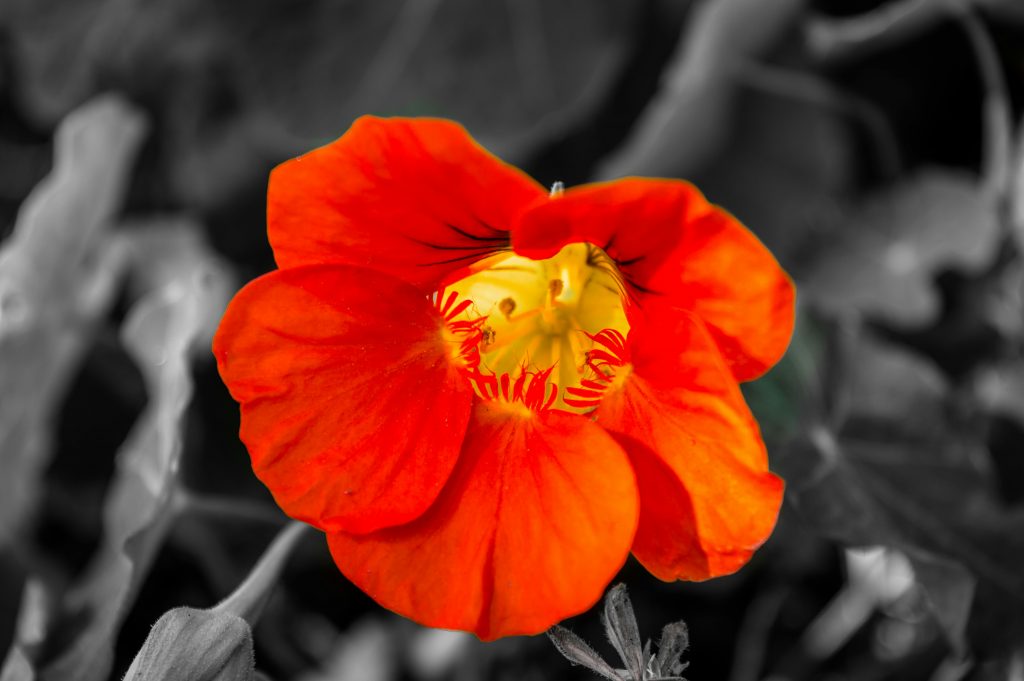
- Seed Planting: Sow seeds directly in spring, spacing them about 10 inches apart.
- Growth Habit: Dwarf varieties suit containers, while trailing types excel in hanging baskets or as ground cover.
- Pest Resistance: Nasturtiums naturally repel aphids, making them a great companion plant for vegetables.
Culinary & Medicinal Uses
Every part of the nasturtium is edible! Their flowers add a peppery bite to salads, while young leaves enhance pesto recipes. Historically, they were used in herbal medicine for their antibacterial and respiratory benefits.
Conclusion
Whether you’re drawn to their fiery hues or their edible charm, nasturtiums are a must-have for any garden. Their rich history and effortless growth make them a rewarding choice for both beginners and seasoned gardeners alike.