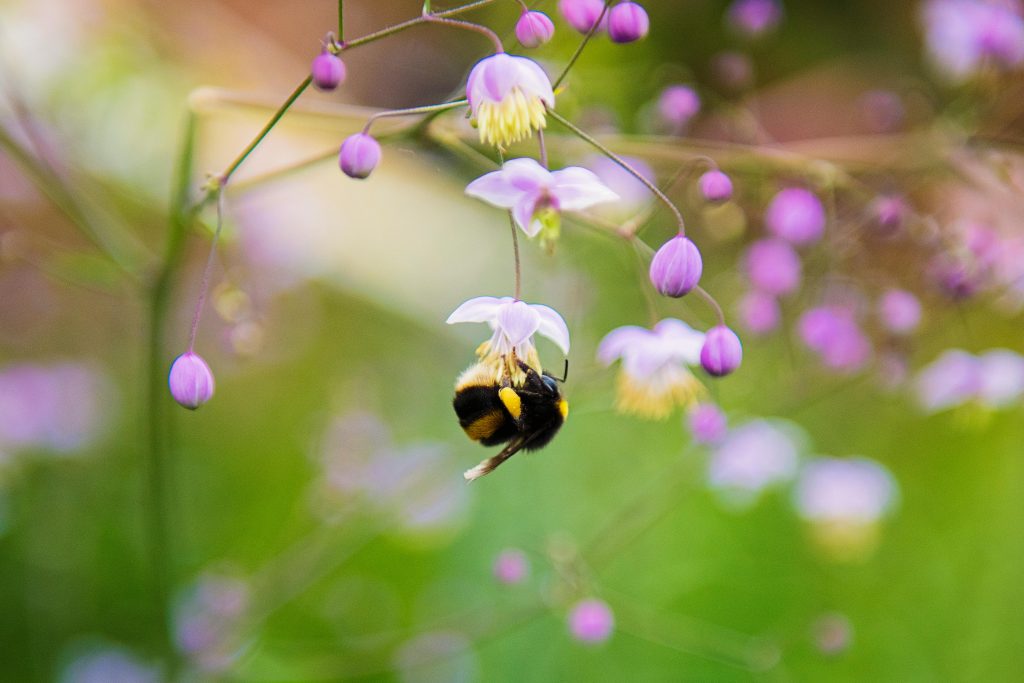
Nature is filled with fascinating phenomena, and one of the most intriguing is the way flowers vibrate at certain frequencies. This occurrence is not just a random quirk of biology—it plays an essential role in the complex relationships between plants, pollinators, and pests. Let’s explore why flowers vibrate at specific frequencies, how this affects bees, and the differences in response to pests.
The Science Behind Flower Vibrations
Flowers, like all living organisms, exhibit vibrations at the cellular level due to the energy they store and use. This vibration often occurs within a specific frequency range and is linked to the flower’s unique structure. For example, petals, stamen, and even pollen-bearing structures can oscillate at varying frequencies depending on their composition and environmental factors such as temperature, wind, and humidity. These vibrations are crucial in facilitating the process of pollination.
The phenomenon known as buzz pollination (or sonication) highlights this connection between vibration and pollination. Some plants, like tomatoes, blueberries, and certain wildflowers, have evolved flowers that require specific frequencies of vibration to release pollen. This process is triggered when a bee, typically from the genus Bombus (bumblebees), lands on the flower and buzzes at a precise frequency to shake loose the pollen from the anthers.
The Role of Bees and Flower Vibrations
Bees, particularly bumblebees, are key players in this vibrational interaction. They use a technique called sonicating, in which they contract their flight muscles without moving their wings, producing a distinct buzzing sound and vibration. This vibration resonates with the flower, causing the anthers to release pollen in a controlled burst.
Different flowers may require different vibrational frequencies to achieve optimal pollen release. Bumblebees, with their ability to adjust the frequency of their buzzing, are uniquely adapted to this task. Honeybees, on the other hand, do not use this sonication technique as effectively and rely more on passive methods of collecting pollen.
Why Flowers Don’t Vibrate the Same Way for Pests
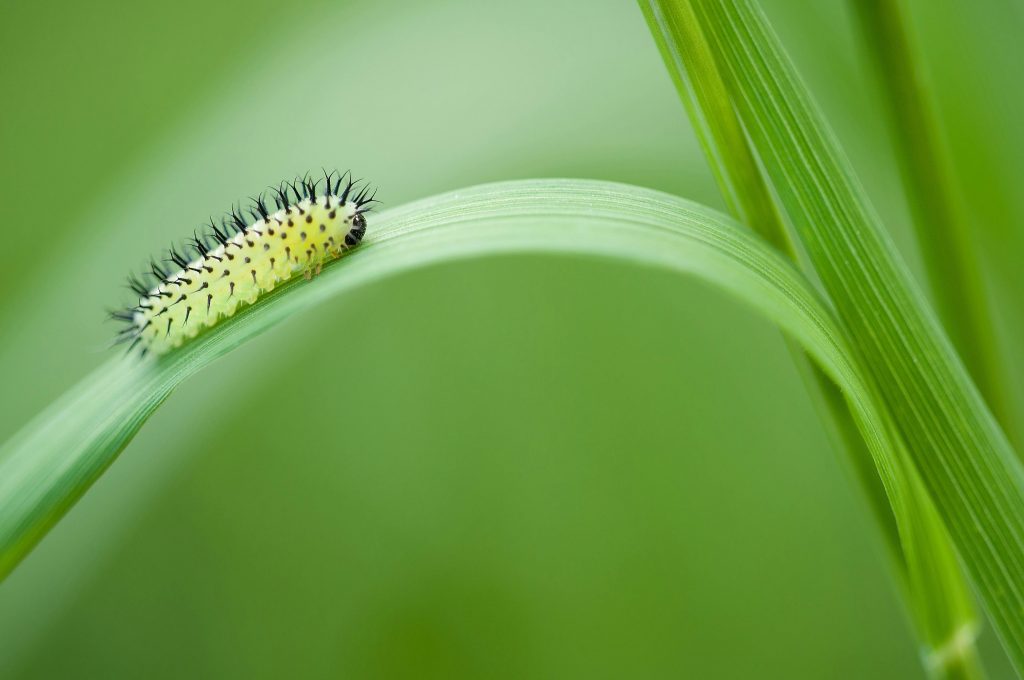
Interestingly, flowers can also distinguish between pollinators and pests. Pollinators like bees benefit the plant by facilitating reproduction, while pests, such as aphids or certain beetles, can damage the flower and hinder pollination.
While flowers cannot consciously control their vibrations, they are evolved to respond differently to stimuli based on the type of interaction. When bees sonicate, their buzzing frequency closely matches the flower’s natural vibrational frequency, leading to pollen release. In contrast, the vibrations caused by pests are either too weak or of a different frequency to trigger such a release.
Flowers may also use other cues, such as scent or chemical changes, to repel pests. Some research suggests that flowers produce chemical signals when they detect feeding from certain pests, activating defensive mechanisms like the release of toxins or the attraction of predatory insects that target the pests. These defense mechanisms are not vibration-based but indicate that flowers have multiple ways of protecting themselves from harm while ensuring successful pollination.
Frequency-Specific Vibrations: Precision in Nature
The ability of flowers to vibrate at specific frequencies and respond accordingly to pollinators like bees but not to pests underscores the incredible precision in nature. Bees, with their finely tuned buzzing, help ensure the survival and reproduction of plants that rely on buzz pollination. In turn, flowers support these bees with the nutrients they need, creating a mutually beneficial relationship.
This vibrational relationship is part of a broader ecological system. Plants are designed not only to attract beneficial pollinators but also to minimize the impact of harmful pests. By vibrating at specific frequencies, flowers can maximize their reproductive success while avoiding unnecessary pollen loss or damage from pests.
Conclusion
The way flowers vibrate at certain frequencies is a testament to the intricate balance of nature. Buzz pollination demonstrates how plants and bees have co-evolved to optimize pollination, with bees using specific vibrations to access pollen that would otherwise remain locked away. At the same time, the system’s precision helps deter pests, ensuring that flowers reserve their pollen for the pollinators that help them reproduce. This delicate vibrational symphony between flowers and bees is just one example of the incredible adaptability and specialization found in the natural world.